In this tutorial, we will go through a working example of a NestJS application auto-instrumented with OpenTelemetry. In our example we will use a simple application that outputs “Hello World!” when we call it in the browser. We will instrument this application with OpenTelemetry’s Node.js client library to generate trace data and send it to an OpenTelemetry Collector. The Collector will then export the trace data to an external distributed tracing analytics tool of our choice.
Amazon Kinesis is the real-time stream processing service of AWS. Whether you got video, audio, or IoT streaming data to handle, Kinesis is the way to go. Kinesis is a serverless managed service that integrates nicely with other services like Lambda or S3. Often, you will use it when SQS or SNS is too low-level. But as with all the other services on AWS, Kinesis is a professional tool that comes with its share of complications.
Eleven basic checks and one status page. That’s all you see when looking over the account usage of the Uptime.com account you are now managing for your company. When you logged in for the first time you saw a dashboard with cards and metrics, labeled with titles that don’t obviously connect to services you offer. Your first clicks were to navigate to view the subscription – maybe your plan details can give you some guidance. Does this sound like you?
The software is getting more and more complicated and so is the infrastructure behind it. It is no longer what it used to be with a single web or application server and a database backing it up. Throughout the years, the infrastructure has become more and more complicated. We have multiple databases, queues, datastores, search engines, and configurations. We want to incorporate continuous delivery and automated testing and deploy everything easily.
We believe incident.io should be used across an organisation, from SRE teams to Customer Success and People Ops. Until now, the way you set up your incident response flows has relied on having one set of roles and fields for every incident, meaning you have to choose between having lots of irrelevant fields to cover every use-case, or not getting the full incident.io experience on some incidents. That’s changing today with incident types, conditional fields and roles!
Welcome to another edition of What’s New in Sysdig in 2022! The “What’s new in Sysdig” blog is now under my control! Hello, I’m Wes MacKay, a Sales Engineer based out of Dallas, TX working with the Sysdig US West Corporate team. I’m way too passionate about containerization, personal cloud storage, and automating my home life. In my spare time, I’m always looking for better Thai and Sushi restaurants in my area.
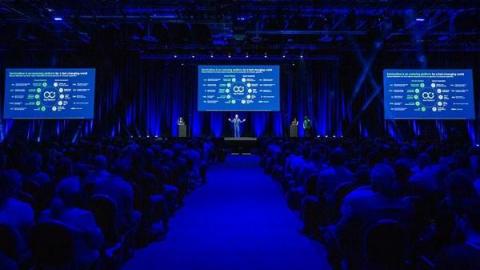
After two years away, Knowledge 2022, our annual user conference, brought together ServiceNow experts, customers, and partners in four live venues: New York, The Hague, Las Vegas, and Sydney. Attendees gathered to spark new ideas, gain practical guidance, access hands-on training and interactive sessions, and network.
Here at Grafana Labs, we’re always looking for ways to provide our customers with a choice of platforms where they can run Grafana Enterprise Logs (GEL). As part of that mission, we’re pleased to announce that we’ve added Red Hat OpenShift 4.x support to GEL. GEL, as you may know, is a leading enterprise logs solution.
One of the best things about Kubernetes is just how absurdly flexible it is. You, as an admin, can shape what gets deployed into what is the best for your business. Whether this is a basic webapp with just a deployment, service and ingress; or if you need all sorts of features with sidecars and network policies wrapping the serverless service-mesh platform of the day. The power is there.