Operations | Monitoring | ITSM | DevOps | Cloud

Which Alternatives to Tresorit Are Best for Personal Use or for Teams?

Many cloud storage providers continue to offer us a secure method to store, share, and sync our files. Not all cloud services, however, offer the same features to secure our data, collaborate with others, or provide a service that emphasizes privacy. If you want to switch from popular cloud providers, namely, Google Drive or iCloud, then you may have considered Tresorit cloud storage.

Software Selection: Your Company's Future Depends on Getting it Right

The world of enterprise software, SaaS, and cloud platforms has gone through a Cambrian explosion in the last half-decade, as the number of solutions available nearly doubles every two to three years. Meanwhile, the locus for decision-making has been pushed deeper into the organization, and the number of constituents impacted by each decision has also increased when choosing the right software vendor for the use case.

Why Network Load Balancer Monitoring is Critical

Your networks are the highways that enable data transfers and cloud-based collaboration. Like highways connect people to physical locations, networks connect people to applications and databases. As you would look up the fastest route between two physical locations, your workforce members need the fastest connectivity between two digital locations. Network load balancers enable you to prevent and identify digital “traffic jams” by redistributing incoming network requests across your servers.

How to easily add application monitoring in Kubernetes pods

The Elastic APM K8s Attacher lets the Elastic APM agent auto-attach to the application in your pods by adding just one annotation to your deployment The Elastic® APM K8s Attacher allows auto-installation of Elastic APM application agents (e.g., the Elastic APM Java agent) into applications running in your Kubernetes clusters. The mechanism uses a mutating webhook, which is a standard Kubernetes component, but you don’t need to know all the details to use the Attacher.

DevOps Change Management Resources

The DevOps Change Management Content Hub is a set of resources for modern software teams who struggle to align their DevOps automation with their change management requirements. In our experience, cloud native teams with lots of automation struggle when they run into a compliance event like an audit, or need to achieve a security standard like SOC2 or ISO27001. How do you comply without adopting old fashioned change management practices and screwing up your DevOps?

Monitoring-as-Code for Scaling Observability

As data volumes continue to grow and observability plays an ever-greater role in ensuring optimal website and application performance, responsibility for end-user experience is shifting left. This can create a messy situation with hundreds of R&D members from back-end engineers, front-end teams as well as DevOps and SREs, all shipping data and creating their own dashboards and alerts.

How to Monitor PostgreSQL With Telegraf and MetricFire

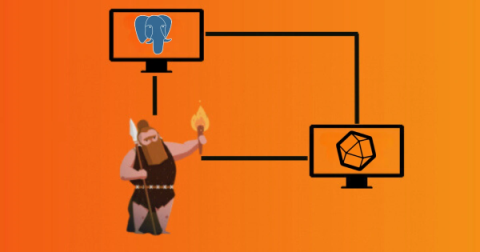
Monitoring your PostgreSQL instance is essential for maintaining performance, reliability, security, and compliance. It allows you to stay ahead of potential issues, optimize resource utilization, and ensure a smooth and efficient operation of your database system. Database monitoring helps you can pinpoint problematic queries, analyze execution plans, and make necessary adjustments to improve overall application responsiveness.

Test-driven development (TDD) explained

Test-driven development (TDD) is a software development process that involves writing tests for your code before you write the code. This approach has transformed the development methodology around testing. While the traditional waterfall model of software development was linear, with testing occurring near the end of one long timeline, TDD makes testing an ongoing, iterative process.