Digital Experience Monitoring (DEM) is a practice that involves monitoring and analyzing the end-to-end digital experience of users interacting with websites, applications, and other digital services. By examining performance, availability, and usability from the end user’s perspective, DEM provides insights into the performance, availability, and usability of these services from the perspective of the end user.
Prometheus is an amazing tool, but it has limitations. Some of your applications, including batch jobs and ephemeral jobs, may not live long enough for it to find and scrape them. Since Prometheus cannot scrape all jobs, the company developed Pushgateway as a bridge tool. Because you usually cannot push metrics directly to the Prometheus application, you can sometimes use a Pushgateway to deliver the necessary data. When you need monitoring solutions, try Metricfire.
Azure Storage Integration! Sounds like a mouthful, doesn’t it? If you’ve been around the block in the world of cloud computing, you’ve probably heard of Azure and its seemingly limitless storage capabilities. In this article, we will dissect this powerful service, shedding light on what it is, how it works, and how you can leverage it to make your cloud journey smoother and more efficient.
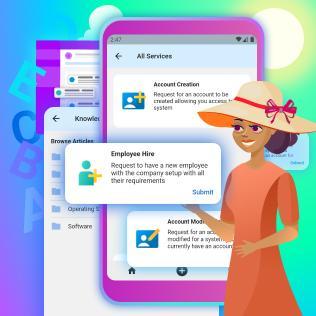
The wave of Summer 2023 updates continues with Alloy Self-Service, the mobile application for end-users of IT services. The new version offers quick access to the top-priority knowledge base articles and service catalog items thanks to support for custom display order for categories.
As enterprise architecture and technology innovation leaders, it's crucial to understand the benefits, limitations and best practices associated with building cloud native apps and modernizing legacy workloads. Gartner recently published a worthwhile read addressing what keeps CTOs up at night while assessing Kubernetes and container adoption.
In the dizzyingly complex digital landscape of the 21st century, the notion of customer experience has transcended physical interactions and is now deeply interwoven with online environments. This transformation has brought about many opportunities but also unprecedented challenges. As companies digitize their operations and customer touchpoints multiply, so does the complexity and the scale of systems needed to manage them.