Operations | Monitoring | ITSM | DevOps | Cloud

What is AWS GuardDuty

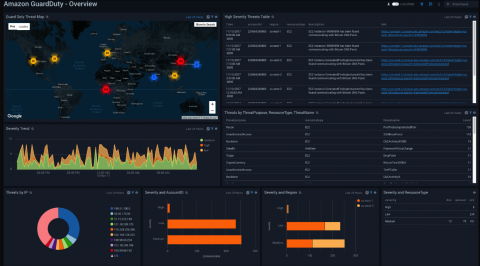
AWS is the most popular cloud platform for enterprises, and with good reason. Amazon has massive infrastructure around the world, and many years of experience with it. Whether your network is completely on the cloud or you have a hybrid network, using AWS saves your business a lot of money and physical space. You benefit from Amazon’s tremendous economies of scale, and a lot of the tedious work involved in maintaining a network can be delegated to them.

Import of Active Directory Distribution Lists

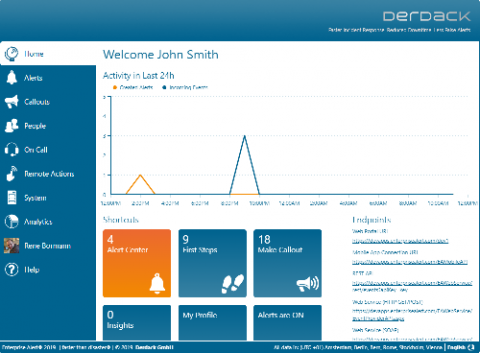
During our deployments we come across all kinds of different organizational infrastructures. Importing users from the Active Directory is a key component to populating user information into Enterprise Alert. Enterprise Alert will only import users that are contained in security groups. However, we often see companies having users placed in distribution lists. Enterprise Alert will not import distribution lists.

How eBay Moved from Custom UIs to Grafana Plugins

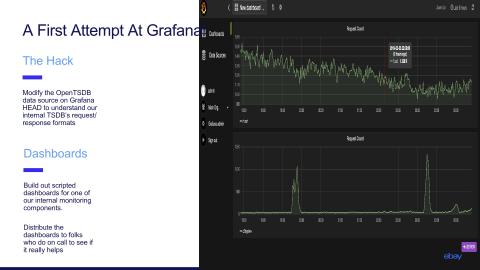
In the beginning, the mission of the logging and monitoring team at eBay was simple: “to give out APIs that the developers in the company could use to instrument their applications [in order] to send logs,” Vijay Samuel said during his talk at GrafanaCon about eBay’s journey to using Grafana plugins. “We had our own developers who built out UIs for being able to search view and debug their issues. And metrics were no different from logs.

Kafka Metrics to Monitor

As the first part of a three-part series on Apache Kafka monitoring, this article explores which Kafka metrics are important to monitor and why. When monitoring Kafka, it’s important to also monitor ZooKeeper as Kafka depends on it. The second part will cover Kafka open source monitoring tools, and identify the tools and techniques you need to further help monitor and administer Kafka in production.

Kafka Open Source Monitoring Tools

Open source software adoption continues to grow within enterprises (even for legacy applications), beyond just startups and born-in-the-cloud software. In this second part of our Kafka monitoring series (see the first part discussing Kafka metrics to monitor), we’ll take a look at some open source tools available to monitor Kafka clusters. We’ll explore what it takes to install, configure, and actually use each tool in a meaningful way.

Monitoring Kafka with Sematext

Monitoring Kafka is a tricky task. As you can see in the first chapter, Kafka Key Metrics to Monitor, the setup, tuning, and operations of Kafka require deep insights into performance metrics such as consumer lag, I/O utilization, garbage collection and many more. Sematext provides an excellent alternative to other Kafka monitoring tools because it’s quick and simple to use.