Operations | Monitoring | ITSM | DevOps | Cloud

The latest News and Information on Observabilty for complex systems and related technologies.

Kubernetes Design Patterns For Optimal Observability

Technology is a fast-moving commodity. Trends, thoughts, techniques, and tools evolve rapidly in the software technology space. This rapid change is particularly felt in the software the engineers in the cloud-native space make use of to build, deploy, and operate their applications. One particular area where we see rapid evolution in the past few years/months is Observability.

Maximizing CI/CD Pipeline Efficiency: How to Optimize your Production Pipeline Debugging?

At one particular time, a developer would spend a few months building a new feature. Then they’d go through the tedious soul-crushing effort of “integration.” That is, merging their changes into an upstream code repository, which had inevitably changed since they started their work. This task of Integration would often introduce bugs and, in some cases, might even be impossible or irrelevant, leading to months of lost work.

Three Ways to Make the Most out of Honeycomb Metrics

A while ago, we added Metrics to our observability platform so teams could easily see system information right next to their application observability data—no tool or team switching required. So how can teams get the most out of metrics in an observability platform? We’re glad you asked! We had this conversation with experts at Heroku. They’ve successfully blended metrics and observability and understand what is most helpful to know.

Overcoming Kubernetes Monitoring Challenges with Observability

At Logz.io, we’re seeing a very fast pace of adoption for Kubernetes–at this point, it’s even outpacing cloud adoption, with companies running on-prem fully adopting Kubernetes in production. Why are companies going in this direction? Kubernetes provides additional layers of abstraction, which helps create business agility and flexibility for deploying critical applications. At the same time, those abstraction layers create additional complexity for observability.

IT Operations in 2023: AI/ML & Automation Will Continue to Be the North Star

The use of statistics, advanced algorithms and AI/Ml is becoming omnipresent. The benefits are visible in every walk of life, from web searches, to movie and retail recommendations, to auto-completing our emails. Of course, not many anticipated the dramatic entrance of generative AI in the form of ChatGPT for writing college essays and poetry on arcane topics.

Upgrading NPM and SAM to Hybrid Cloud Observability

This video discusses and demonstrates upgrading an Orion Platform installation running NPM and SAM, to Hybrid Cloud Observability – advanced license. The video discusses system requirements, installation methods and walks through a full demonstration of the upgrade. This video is suitable for anyone who wishes to understand more and see an upgrade from a module based install to Hybrid Cloud Observability.

Ask Miss O11y: To Metric or to Trace?

Dear Miss O11y, I remember reading quite interesting opinions from you about usage of metrics and traces in an application. Did you elaborate on those points in a blog post somewhere, so I can read your arguments to forge some advice for myself? I must admit that I was quite puzzled by your stance regarding the (un)usefulness of metrics compared to traces in apps in some contexts (debugging).

A Comprehensive Guide to Troubleshooting Celery Tasks with Lightrun

This article explores the challenges associated with debugging Celery applications and demonstrates how Lightrun’s non-breaking debugging mechanisms simplify the process by enabling real-time debugging in production without changing a single line of code.

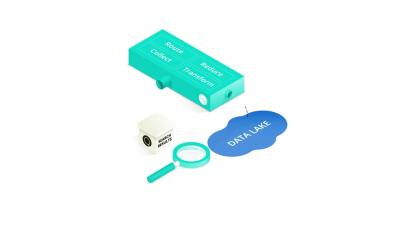
The Importance of an API Observability Pipeline for SaaS Tools

Third-party APIs and cloud based software as a service (SaaS) tools have become a cornerstone of modern enterprises. It is essential to monitor log data and optimize API performance. This will ensure that development teams provide the desired advantages to clients and users. To address this challenge, businesses can use an observability pipeline. It is a set of tools and processes that monitor and analyze data from various sources. That includes third-party APIs and SaaS tools.

Errors Got You Down? Honeycomb and OpenTelemetry are Here to Help

It’s 5:00 pm on a Friday. You’re wrapping up work, ready to head into the weekend, when one of your high-value customers Slacks you that something’s not right. Requests to their service are randomly timing out and nobody can figure out what’s causing it, so they’re looking to your team for help. You sigh as you know it’s one of those all-hands-on-deck situations, so you dig out your phone and type the "going to miss dinner" text.