The latest News and Information on Observabilty for complex systems and related technologies.
In the past few years, the word “observability” has steadily gained traction in the discussions around monitoring, DevOps, and, especially, cloud-native computing. However, there is significant confusion about the overlap or difference between observability and monitoring.
It’s one thing to set up an observability strategy. But what’s it like to introduce and scale observability effectively across an organization? In a wide-ranging conversation at ObservabilityCON 2021, three technical pros from Snyk, TripAdvisor, and Citibank joined Grafana Labs VP Global Solutions Engineering Steve Mayzak and — with more than 75 years experience between them — they shared the triumphs and turbulence in their respective observability journeys.
Dear Trapped, Thanks for asking the question! Approaching observability as an all-or-nothing problem often leads to the project feeling daunting. But that’s not specific to observability—any project can be overwhelming if you think it needs to be done all at once, perfectly. Such as, erm, writing an entire book on observability! *looks around worriedly*
Moving beyond traditional monitoring to embrace full stack observability offers a seemingly endless range of benefits. Beyond unifying logs, metrics, and traces in a single platform, the opportunity to enlist advanced analytics and engage a more predictive approach represents another huge step forward.
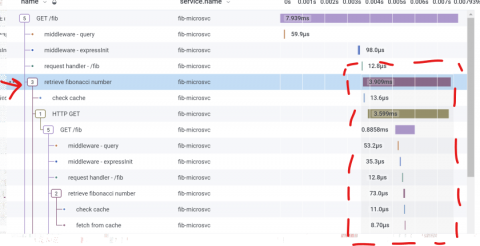
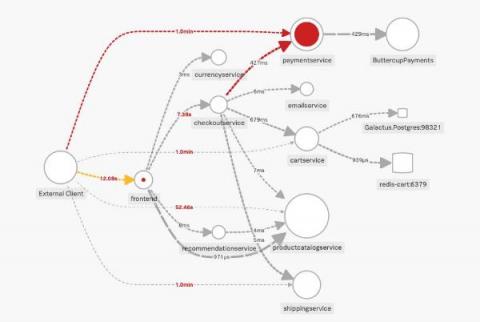
Distributed tracing has been growing in popularity as a primary tool for investigating performance issues in microservices systems. Our recent DevOps Pulse survey shows a 38% increase year-over-year in organizations’ tracing use. Furthermore, 64% of those respondents who are not yet using tracing indicated plans to adopt it in the next two years. However, many organizations have yet to realize just how much potential distributed tracing holds.