Operations | Monitoring | ITSM | DevOps | Cloud

The latest News and Information on CyberSecurity for Applications, Services and Infrastructure, and related technologies.

Use Cloud Infrastructure Data Model to Detect Container Implantation (MITRE T1525)

A unified cloud infrastructure data model is fundamental for enterprises using multiple cloud vendors. Enterprise customers prefer to use multiple cloud vendors as a way to prevent being locked in and dependent on specific platforms. According to Gartner the top vendors for cloud infrastructure as a service in the years 2017-2018, are Amazon 49.4%, Azure 12.7% and Google with 3.3%.

Runtime Security in Rancher with Falco

Runtime security for Rancher environments requires putting controls in place to detect unexpected behavior that could be malicious or anomalous. Even with processes in place for vulnerability scanning and implementing pod security policies and network policies in Rancher, not every risk will be addressed. You still need mechanisms to confirm these security barriers are effective and provide a last line of defense when they fail.

Five Security Priorities to Consider With a Remote Workforce

Many organizations are prioritizing the health and well being of their workforce in the wake of the current global pandemic. Many threat actors are also taking advantage of this opportunity. I’ve seen recent examples of social engineering—with calculated phishing campaigns preying on those who seek information on the COVID-19. As noted by Security Researcher Brian Krebs, one hacker group even used a copy of a legitimate map of the impact of the virus to infect machines with malware.

COVID-19: A Personal Guide to Self-Isolating and Remote Working

It’s now day 3 since UK PM Boris Johnson instructed the nation to stay at home and begin self-isolating and remote working to limit the spread of Covid-19. We’re all starting to realise life may not be going back to ‘normal’ anytime soon. Aside from our nation’s unsung heroes (the NHS, Supermarket Staff, Teachers, Postal Workers, Waste Collectors, the list goes on – thank you!), many are now turning to remote working.

Uptrends is ISO 27001 security compliant!

We are thrilled to let you know that Uptrends is now certified ISO 27001 compliant. The ISO (International Organization Standardization) sets security requirements that a company must meet before an accredited auditor can grant the certification. If you’re familiar with the certification process, you know that it takes a considerable amount of time and work; however, the benefits that it brings for our company and our clients are worth the effort. Let’s take a look.

The Cost of Doing SIEM & Security Analytics on Your Own

Security information and event management, or SIEM, has become part of the vocabulary of every organization. SIEM solutions gather events from multiple systems and analyze them—both in real time and through historical data. SIEM costs—as cyber security costs in general—can be high, but there is a tradeoff if you opt for the FOSS route (free and open source solutions).

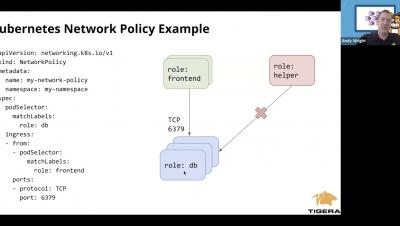
How Fortinet and Tigera Protect Kubernetes in the Enterprise

Container use continues to grow, and Kubernetes is the most widely adopted container orchestration system, managing nearly half of all container deployments.1 Successful integration of container services within the enterprise depends heavily on access to external resources such as databases, cloud services, third-party application programming interfaces (APIs), and other applications. All this egress activity must be controlled for security and compliance reasons.

Adversary tradecraft 101: Hunting for persistence using Elastic Security (Part 1)

Last month, we hosted a webinar, Hunting for persistence using Elastic Security, where we examined some techniques that attackers use in the wild to maintain presence in their victim’s environment. In this two-part blog series, we’ll share the details of what was covered during our webinar with the goal of helping security practitioners improve their visibility of these offensive persistence techniques and help to undermine the efficacy of these attacks against their organization.

TLS monitoring

Uh oh, the site’s certificate has expired. How do we generate a new one? Where’s the private key? Which servers need the new cert? What even goes in the cert? If this sounds all too familiar, rest assured you’re not alone. Outages due to expired certs are far too common and it happens to sites of all sizes (one recent example includes Microsoft Teams going down for several hours due to an expired cert). Disruptions like this are entirely preventable with proper monitoring in place.