Kubernetes DevSecOps with Sumo Logic
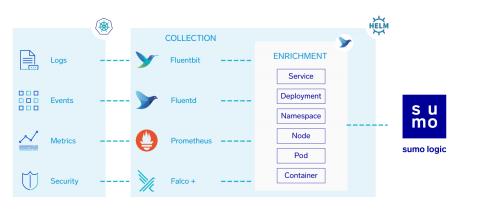
With Sumo Logic, we can put all of these pieces together to build end-to-end Observability in Kubernetes.


With Sumo Logic, we can put all of these pieces together to build end-to-end Observability in Kubernetes.
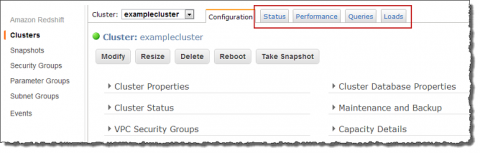
In the first post of our three-part Amazon Redshift series, we covered what Redshift is and how it works. For the second installment, we’ll discuss how Amazon Redshift queries are analyzed and monitored. Before we go deep into gauging query performance on Redshift, let’s take a quick refresher on what Amazon Redshift is and what it does.
You don't need to be a cybersecurity expert to know that ransomware attacks have become one of today's greatest IT security threats. From WannaCry to the attack against the city of Atlanta, major ransomware exploits have become so commonplace in the last few years that they may seem impossible to avoid. Fortunately, preventing ransomware is far from impossible. Let's take a look at a few strategies you can put in place to mitigate your risk of becoming part of the next ransomware statistic.
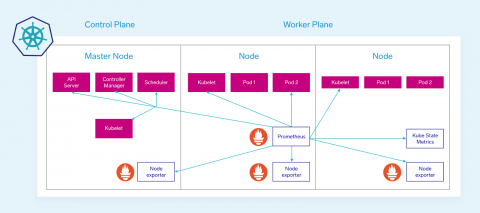
Now that we understand what machine data is available to us, how do we get to this data? The good news is that Kubernetes makes most of this data readily available, you just need the right tool to gather and view it. The solution we will discuss here heavily utilizes open source tools for collection and data enrichment because of their deep integrations and overwhelming community support.
What a pleasure it was to see many of our customers at our Illuminate user conference, September 11-12. We had record attendance from customers, influencers, and partners. Our time was packed with keynotes, customer presentations (35 customer breakout sessions), certifications, sharing best practices, and time networking and having fun together.