Operations | Monitoring | ITSM | DevOps | Cloud

How to Choose an AI SRE Solution

The AI SRE landscape has exploded over the past year, with vendors racing to add artificial intelligence capabilities to their platforms. For engineering leaders evaluating these solutions, the sheer number of options can feel overwhelming. Some vendors are building AI-native solutions from scratch, while others are retrofitting AI onto existing workflows. Cloud providers are embedding agents into their ecosystems, and observability platforms are adding intelligence layers to their telemetry data.

Unlock Faster Incident Resolution with PagerDuty + Logz.io

Join us live as we demo how PagerDuty and Logz.io work together to supercharge your Root Cause Analysis. See how real-time observability and enriched incident context can help your team detect, triage, and resolve issues in minutes—not hours. Don’t miss this chance to see the integration in action, ask questions, and learn how to keep your teams in sync while driving continuous improvement. Perfect for anyone looking to level up their incident response!

Work Where Your Teams Already Are with PagerDuty's AI Agents for Slack

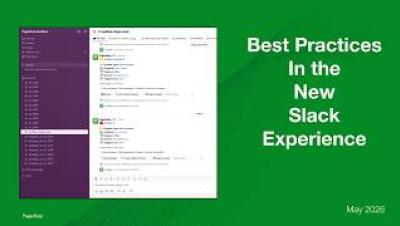
Modern operations happen in Slack, where teams spend their days collaborating, troubleshooting, and resolving incidents. And while many incident management tools offer Slack-friendly experiences, they lack end-to-end capabilities that teams need. During critical moments, other tools may require users to switch between Slack and their own interfaces, creating friction.

We Built an SRE Agent With Memory And It's Transforming Incident Response

If you feel like your incidents are multiplying while your stack gets more complex by the week, you’re not alone. Event volumes keep climbing, signals live in a dozen tools, and human responders are stretched thin. That’s exactly why we built the PagerDuty SRE Agent—a vendor‑agnostic AI teammate that improves with every response to make the next one faster, smarter, and more reliable.

Too Late to Learn: Why Security Post-Mortems Fail and How AI Can Help

An effective post-mortem can turn a security breach into a blueprint for lasting resilience. But too often, in the stress of an incident, documenting what happened takes a back seat to containment and recovery. The resulting analysis relies heavily on memory, scattered notes, and competing narratives. Valuable context gets lost, timelines blur, and lessons that could strengthen defenses never become institutional knowledge.

PagerDuty Incident Responder custom agent for Github is now Generally Available!

This custom agent in GitHub’s AI ecosystem gives users access to PagerDuty data (including change correlation, incident data, and more) directly in GitHub Copilot, saving time from context switching for faster resolution. The agent can help users analyze incident context, identify recent code changes, and suggest fixes via GitHub PRs. Learn more about PagerDuty’s MCP capabilities for GitHub and other tools here.

Your Next Incident Has Already Started. You Just Haven't Noticed Yet.

The best way to minimize the impact of an incident is to catch it early, before small issues snowball into major disruptions. That requires maintaining healthy systems and ensuring sufficient resources are available when problems arise. But developers and IT operations pros working in large enterprises face a challenge: Complex systems operate in an inherently degraded state. In his essay “How Complex Systems Fail,” Dr.

Your Top Engineers Should Be More than Expensive Button-Pushers

The engineer you pay $200,000 a year just spent an hour copy-pasting data between dashboards. Again. Software engineers have critical skills that are in the highest demand. And yet, many world-class engineers are currently spending too much of their time clearing tickets, routing alerts, and responding to the same types of incidents over and over again. This operational toil is costing you.