Operations | Monitoring | ITSM | DevOps | Cloud

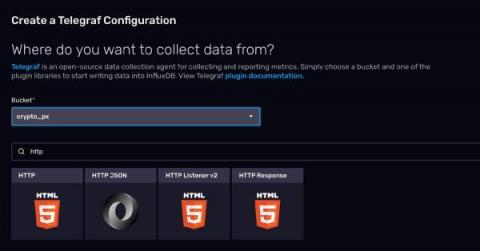
How to Time Your Data Collection with Telegraf Agent Settings

Many Telegraf and InfluxDB users often spend a lot of time finding that perfect balance of getting the data they want in while not writing in too much data that they have to deal with unnecessary data in their database. This blog post will give you a better understanding of Telegraf’s data collection settings and help you fine-tune your configuration.

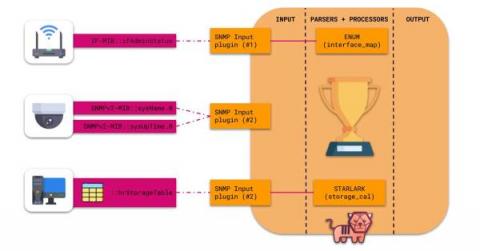
Modernizing Network Monitoring with InfluxDB and Telegraf

This article was originally published in The New Stack. As the technology landscape continues to change at a rapid pace, enterprise companies are in a rush to catch up and modernize their legacy IT and network infrastructure to capture the benefits of newly developed tools and best practices. By adopting modern DevOps techniques, they can reduce their operational costs, increase the reliability of their services and improve the overall speed and agility at which their IT teams are able to move.

WP Engine Uses InfluxDB to Power Observability on a Global Scale

The WP Engine platform provides brands the solutions they need to create remarkable sites and apps on WordPress that drive their business forward faster. It hosts over 1.5 million websites, serving over 175,000 customers in more than 150 different countries, and processes 5.2 billion requests per day. In total, WP Engine’s footprint comprises about 8 percent of the entire web.

InfluxData Wins Comparably Awards for Best Company Outlook and Best Engineering Team

Annual awards recognize companies based on workplace culture ratings from current employees SAN FRANCISCO, April 6, 2022 – InfluxData, creator of the leading time series platform InfluxDB, today announced it has won awards for Best Company Outlook and Best Engineering Team from Comparably, a leading workplace culture and corporate brand reputation platform.

Pivoting InfluxDB Series Data into Relational Layouts

Most developers are more familiar with the shape of relational data than the shape of time series data. InfluxDB stores time series data in such a way to maximize its effectiveness. As developers get more familiar with time series data, it may be helpful to view time series data in a relational layout. Fortunately, Flux language makes it easy to present your time series data the way that's useful for you.