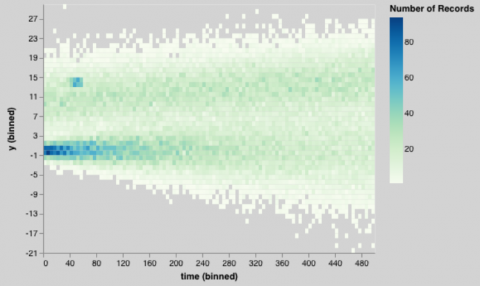
In this blog miniseries, I’d like to talk about how to think about doing data analysis “the Honeycomb way.” Welcome to part 1, where I cover what a heatmap is—and how using them can really level up your ability to understand what’s going on with distributed software. Heatmaps are a vital tool for software owners: if you’re going to look at a lot of data, then you need to be able to summarize it without losing detail.
If you’re responsible for keeping tabs on multiple domains, finding what you need when you need it is often half the battle. Want to access checks quickly and easily? Create custom tags for filtering checks in your Dashboard. You will get the info you need without having to look through unrelated information about other sites. Not sure how to organize your checks?
There are quite a few Docker security tools in the ecosystem, how do they compare? We have gathered a list of the most popular Docker security tools so you can evaluate what fits your needs better, including features and use cases. Here you will find both open source projects and Docker security commercial vendors.
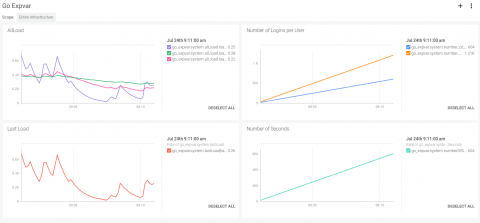
In this tutorial we are going to learn how to instrument Golang code to expose application custom metrics using expvar. This will help you monitor availability, health and performance of your Go application.
While benchmarking packets per second (PPS) in AWS EC2 and searching for hard-coded or other software-based limitations, my early findings suggested that there definitely was a credit mechanism, complete with network throttling, in place. I now know that to be false, since finding the guaranteed throughput / best effort mechanic.