Mailchimp
Not subscribed to OpsMatters Newsletter


Ever since humankind developed the ability to write, much of our progress has been made thanks to recording and using data. In ages long past, notes were made on the production and gathering of resources, the exact number of available soldiers and other important personnel, and were compiled and stored by hand. Because of this documentation method, important information was also prone to being misplaced, lost, or even mishandled.
I hosted a webinar where I covered why logging is important, how to choose a logging provider. And then shared our experience of setting up logging on Kubernetes containers, the Kubernetes logging framework and the logging best practices we’ve implemented internally and supported our customers who run Kubernetes in production.
When constructing a SaaS application, it’s easy to begin in the wrong place — namely, with architecture. Focusing first on software or architecture seems appealing because everyone is doing it, but trust me, you don’t actually want to start there.
The GitHub Readme describes Falcon as, "... *a multi-process, multi-fiber rack-compatible HTTP server ... Each request is executed within a lightweight fiber and can block on up-stream requests without stalling the entire server process." The gist: Falcon aims to increase throughput of web applications by using Ruby’s Fibers to be able to continue serving requests while other requests are waiting on IO (ActiveRecord queries, network requests, file read/write, etc).
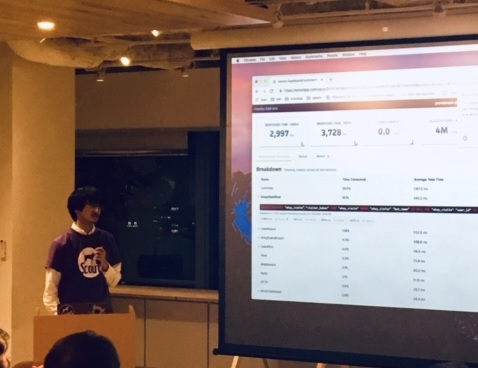
The Tokyo Scout team attended Rails Tokyo #37, a Rails focused get-together that is open to any Rails topic. It was hosted at the Cookpad office in Tokyo, which has some of the best Rails engineers in Japan. In this large open area there were tables, a screen for presentations and a large kitchen island. At these Cookpad events, Cookpad provides an extensive meal prepared in house by a chef!!