Trouble Ticketing is Dead. Long Live Collaborative Ticketing!
Ticketing systems have remained largely unchanged for three decades. Teams supporting either legacy or DevOps applications both suffer high costs.


Ticketing systems have remained largely unchanged for three decades. Teams supporting either legacy or DevOps applications both suffer high costs.
Physicians surveyed listed administrative tasks as a key cause of frustration and physician burnout. Accordingly, this results in workplace issues including, delays in communication, mishaps in surgery and monitoring failures. Fortunately, OnPage curated its HIPAA-compliant, clinical communications solution to help reduce physician burnout and improve care team collaboration, preventing dire consequences in the process.
Our December update includes a new role model for users in a SIGNL4 team, great new app features and integration with Azure Sentinel. Two default user roles are now available in each SIGNL4 team: Administrator and User. This allows for restricting standard user rights versus administrative access. For existing teams, all users are migrated to administrators, i.e. you should check this role assignment and downgrade some team members to users yourself if necessary.
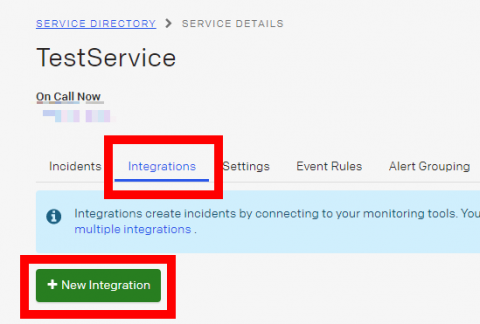
Here are short instructions how to integrate your AppBeat Monitoring with PagerDuty.
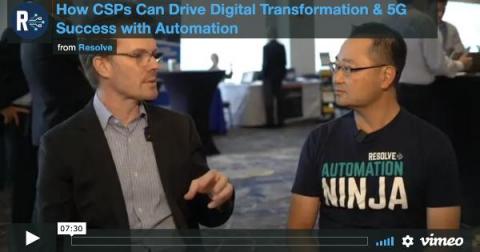
Light Reading’s Phil Harvey recently sat down with Resolve’s Larry Lien at Network Virtualization and SDN Americas to explore how communication service providers (CSPs) are benefitting from automation, what types of processes can be automated, how to successfully navigate the automation journey, and how Automation Centers of Excellence can accelerate digital transformation.
Within Elastic, the information security team is tasked with security detection and analytics, among many other activities of a typical information security team. To find abnormal and malicious behavior within our environment we leverage Elastic SIEM for investigations and threat hunting. When we find a pattern of behavior we want to be alerted on during an investigation or hunt we take the request JSON behind our investigation and put in to Watcher for alerting.
Smart Alerting is not enough. Effective deployment of AIOps requires an independent platform capable of interacting with all technologies along the path from signal to response.
Critical and sev1 incidents are always a priority, but what about those dozens and often hundreds of lower priority ones that often sit in a queue waiting for a first response engineer to get to them? Do you find that no matter how much effort your team puts into minimizing the number of queued incidents, their number always seems to grow? If this sounds familiar – this blog is for you.