CNCF & Cimpress | Leverage user traffic to automate load testing this holiday season
Learn the biggest obstacles with load test automation, and how existing user traffic holds the key to scaling eCommerce software safely, and fast.


The latest News and Information on API Development, Management, Monitoring, and related technologies.
In the previous blog in this series, we delved into the redesigned architecture of Amazon Prime Video and how they integrated different architectural styles for optimal performance and cost efficiency. We also discussed the impact of Amazon’s decision on the concept of a “serverless-first” mindset, highlighting the importance of considering alternative architectural approaches based on specific use cases and requirements.
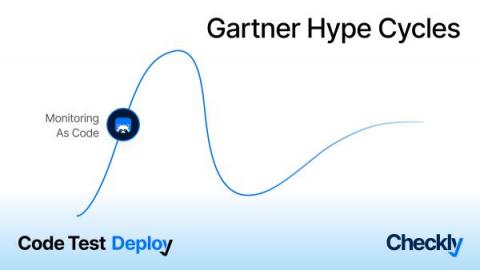
Earlier this week we shared some exciting news. Checkly has made its mark in not one, but two Gartner Hype Cycles reports. We're being recognized for something we're super passionate about - Monitoring as Code (MaC). This recognition comes in the Hype Cycle for Monitoring and Observability and the first ever Hype Cycle for Site Reliability Engineering. It's a big deal for us, and here's why it should matter to you, too.
The Kubernetes networking landscape is shifting. The traditional Kubernetes Ingress approach is being complemented and, in some cases, replaced by a more powerful, flexible, and extensible standard: the Kubernetes Gateway API. Kubernetes has become the go-to platform for orchestrating and managing containerized applications. A key aspect of Kubernetes that's crucial for the functionality of these applications? Networking.
I’m thrilled to announce that Gartner added Monitoring as Code (MaC) as an emerging practice into their Hype Cycles for Monitoring and Observability and Site Reliability Engineering. We are extremely hyped about this recognition and being listed as a vendor innovating in that space. Since we founded Checkly, our vision has been that monitoring should be set up as code and live in your repository; it must be open-source based and feel natural for developers.
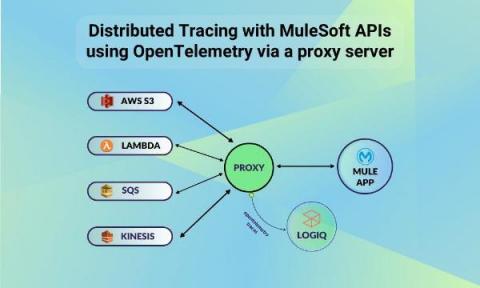
In the previous article, we talked about Distributed Tracing with MuleSoft APIs using OpenTelemetry. In this post, we’ll go through the process of integrating Distributed Tracing with MuleSoft APIs using OpenTelemetry via a proxy server. The purpose of this article is to demonstrate how we can instrument a legacy mule app with open telemetry without making changes to the existing app. Here, we’re showing an example of getting data from a header as well as a query parameter.