Operations | Monitoring | ITSM | DevOps | Cloud

The latest News and Information on Cloud monitoring, security and related technologies.

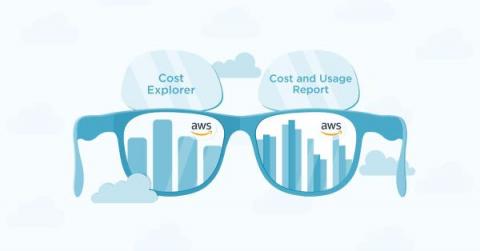
AWS Cost Explorer Vs. Cost And Usage Report: How To Use Each

A major problem led Amazon to introduce Cost Explorer and Cost and Usage Reports. Many Amazon Web Services (AWS) users were overspending on services they couldn’t quite identify. Before the two cloud financial management tools, the AWS public cloud was like a buffet menu without prices. Engineers could use as many cloud resources as possible (and then some), only to be hit with surprise bills at the end of the month or billing cycle.

Comprehensive Observability: Key Availability and Reliability Metrics to Monitor in Cloud Environments

Strong observability in cloud environments is essential for monitoring the health of interconnected systems. Unlike traditional monitoring, which is limited to specific cloud stacks or devices, observability provides comprehensive visibility across the entire hybrid IT infrastructure including applications, IT systems and services.

Moving SharePoint Online Documents to Azure Blob Storage

Managing large volumes of documents in SharePoint Online can become challenging as storage needs grow. With rising storage costs and limits, organizations often look for efficient ways to offload files. One highly scalable and cost-effective solution is moving documents from SharePoint Online to Azure Blob Storage.

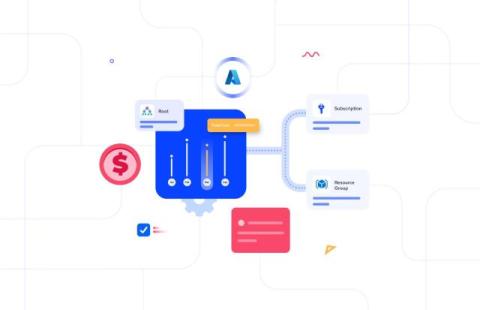
Azure Cost Allocation to manage Azure spend and get the most out of it

As more and more companies are moving their operations to the cloud, cost management becomes one of the significant concerns, and Azure cost allocation provides the solution for it. Due to the fact that more and more companies use Azure services, it has become crucial to define the correct Azure cost allocation and resource management.

Why Kubernetes is removing in-tree cloud-provider integration support in v1.31, and how it can affect you

Kubernetes is known for its modularity, and its integration with cloud environments. Throughout its history, Kubernetes provided in-tree cloud provider integrations with most providers, allowing us to create cloud-related resources via API calls without requiring us to jump through hoops to deploy a cluster that utilizes the power of underlying networking infrastructure. However, this behavior will change with the release of Kubernetes v1.31, and right now is the best time to plan for it.

Are You Managing Your Hybrid Cloud by Default?

In today's technology landscape, the hybrid cloud has become the backbone of today’s IT strategies. Combining the flexibility of public cloud services with the control of private infrastructure, hybrid cloud environments offer a balance of scalability, cost efficiency, and data sovereignty. But let’s be real: Managing these complex ecosystems isn't easy.

End-to-end Tracking of Azure Logic Apps consumption

In this video, Mike Stephenson demonstrates how to use a new feature in Turbo360's Business Activity Monitoring (BAM) to create a business process dashboard for Azure Logic App consumption. Learn how to easily integrate with Azure Monitor's diagnostic settings and create a friendly view of your transactions, empowering your users to see what's going on in your integration platform.

Unified observability Maximize visibility & control of multi cloud environments

In today’s multi-cloud world, gaining real-time visibility across complex infrastructure is vital for business resilience and IT efficiency. However, traditional observability tools often fall short, leaving gaps in data collection and actionable insights. This is where unified observability comes in. Unified observability is Digitate’s unique approach, enabling organizations to monitor and control their business, applications, and infrastructure layers from a single pane of glass.

Google Cloud Monitoring Guide: Best Practices And Tools To Use

Google Cloud Platform (GCP) offers a great alternative to Amazon Web Services (AWS) and Microsoft Azure. If you use Google Products extensively at work, such as Google Workspace, moving to GCP may be a natural choice. Perhaps you already use GCP with AWS, Azure, or another cloud provider as part of your hybrid cloud strategy. But maybe you struggle to manage GCP costs, monitor security and compliance, and observe performance.