Operations | Monitoring | ITSM | DevOps | Cloud

The latest News and Information on Cloud monitoring, security and related technologies.

Site Reliability Engineering: An Imperative in Today's Enterprise IT

Site reliability engineering (SRE) is fast becoming an essential aspect of modern IT operations, particularly in highly scaled, big data environments. As businesses and industries shift to the digital and embrace new IT infrastructures and technologies to remain operational and competitive, the need for a new approach for IT teams to find and manage the balance between launching new systems and features and ensuring these are intuitive, reliable, and friendly for end users has intensified as well.
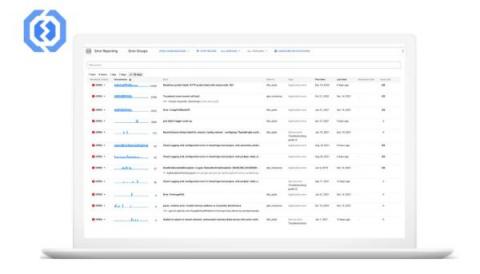

Deliver exception messages through Slack and Webhooks for fast resolution

Building new applications is a lot of fun, but troubleshooting and fixing the crashes that can come with app development is not. While many organizations are fast adopting the DevOps model, there are still some legacy frameworks where developers and operations teams are separate. Developers build and submit apps to their ops team, who in turn deploy and maintain the production stack. A common issue that arises due to this workflow is the time it takes to find and resolve crashes.

OpenSearch is here

We’re excited to announce that Upsun now offers OpenSearch as a service available and included on all plans. OpenSearch is a distributed RESTful search and analytics engine you can use for log analytics, a search backend, clickstream analytics, and more. With the recent move by ElasticSearch to switch to a licensing model, it was important for us to propose a strong open source alternative. And OpenSearch is completely open source, so you could run and manage it on your own.

Why (And How) Software Companies Should Pivot To Cost-Conscious Innovation

Investors have fallen back in love with profitability. This followed an almost two decade love affair with top-line revenue growth. The growth-at-all-costs paradigm enabled what I call cost-agnostic innovation: If it brings in more customers and revenue, build it — no matter how much it costs. When cash is abundant, investors can afford long-term risk, and cost-agnostic innovation works.

Application observability made easier for Compute Engine

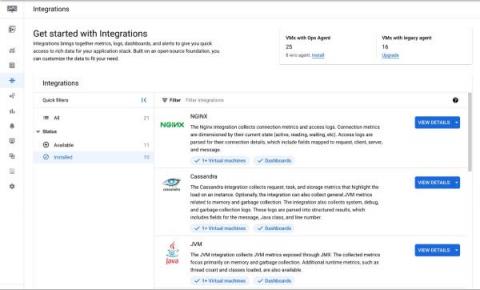
When IT operators and architects begin their journey with Google Cloud, Day 0 observability needs tend to focus on infrastructure and aim to address questions about resource needs, a plan for scaling, and similar considerations. During this phase, developers and DevOps engineers also make a plan for how to get deep observability into the performance of third-party and open-source applications running on their Compute Engine VMs.

What Are AWS Split Charges? How To Allocate Shared Cloud Costs

Amazon Web Services (AWS) offers Cost Categories and tagging to help its customers track cloud usage and associated costs. But AWS customers still struggled to connect cloud costs with the products or people who build them despite endless tagging and defining Cost Categories. So, AWS announced Split Charges. This post walks you through what AWS Split Charges are, how they're configured, and how Split Charge rules work.

Splunk Embarks on AWS Graviton Journey with Amazon EC2 Im4gn and Is4gen Instances

We are excited to announce that Splunk Cloud Platform is moving to next generation AWS Graviton2 processor hardware to help enable enhanced performance for customers who choose AWS as a provider. This begins a phased transition of our Splunk Cloud Platform indexer tier in a move that will help Splunk operate more efficiently and provide customers with the cutting edge in processing technology.