Operations | Monitoring | ITSM | DevOps | Cloud

The latest News and Information on Containers, Kubernetes, Docker and related technologies.

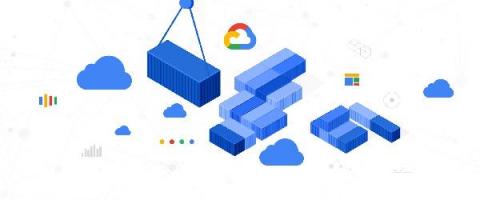
Announcing Support for GKE Autopilot

Google Kubernetes Engine (GKE) is the preferred way to run Kubernetes on Google Cloud as it removes the operational overhead of managing the control plane. Earlier today, Google Cloud announced the general availability of GKE Autopilot, which manages your cluster’s entire infrastructure—both the control plane and worker nodes—so that you can spend more time building your applications.

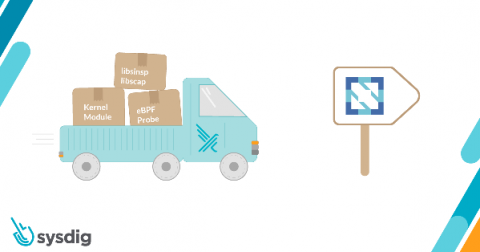
Sysdig contributes Falco's kernel module, eBPF probe, and libraries to the CNCF

Today, I’m excited to announce the contribution of the sysdig kernel module, eBPF probe, and libraries to the Cloud Native Computing Foundation. The source code of these components will move into the Falco organization and be hosted in the falcosecurity github repository. These components are at the base of Falco, the CNCF tool for runtime security and de facto standard for threat detection in the cloud.

What's new in Sysdig - February 2021

Welcome to another monthly update on what’s new from Sysdig. Our team continues to work hard to bring great new features to all of our customers, automatically and for free! We hope you all managed to make it through January, and happy Lunar New Year! February welcomes the launch of our always-popular fourth annual Sysdig Container Security and Usage report, which looks at how global Sysdig customers of all sizes and industries are using and securing container environments.

Sysdig achieves Red Hat Vulnerability Scanner Certification

Image vulnerability scanning is a critical first line of defense for security with containers and Kubernetes. Today, Red Hat recognized Sysdig as a certified Red Hat security partner based on our work to standardize on Red Hat’s published security data with Sysdig Secure.

Container Monitoring: Essential Tools + Best Practices

In the Modern era of application development, businesses move towards building highly available, fault-tolerant, zero downtime applications to make the user experience and performance smoother and better. One of the essential steps in that process is containerization and orchestration of an application. A Container Monitoring process is as vital as containerizing your application.

Feature Spotlight: Golden Signals

As a team we have spent many years troubleshooting performance problems in production systems. Applications have gotten so complex you need a standard methodology to understand performance. Fortunately right now there are a couple of common frameworks we can borrow from: Despite using different acronyms and terms, they fortunately are all different ways of describing the same thing.

Splunking AWS ECS Part 2: Sending ECS Logs To Splunk

Welcome to part 2 of our blog series, where we go through how to forward container logs from Amazon ECS and Fargate to Splunk. In part 1, "Splunking AWS ECS Part 1: Setting Up AWS And Splunk," we focused on understanding what ECS and Fargate are, along with how to get AWS and Splunk ready for log routing to Splunk’s Data-to-Everything platform.

How to reduce your AWS bill up to 60%

Let’s face it. Once you have consumed your free credit, AWS costs an arm and a leg. This is the price to pay for high-quality services. But how can you reduce your costs without sacrificing quality? This post will show you how to reduce your bill by up to 60% by combining four built-in features in Qovery. There are three categories of costs on AWS. The “data transfer”, the “compute”, and the “storage” costs.