Operations | Monitoring | ITSM | DevOps | Cloud

The latest News and Information on Containers, Kubernetes, Docker and related technologies.

AWS Fargate runtime security - Implementing File Integrity Monitoring with Sysdig

Thanks to serverless you can focus on your apps, instead of your infrastructure. Take AWS Fargate as an example. A service where you can deploy containers as Tasks, without worrying what physical machine they run on. However, without access to the host How can you detect suspicious activity? Like, file changes on your Fargate tasks? Sysdig provides runtime detection and response to secure Fargate serverless containers.

Datadog Live Containers - Kubernetes Resources

Datadog Live Containers provides multidimensional, real-time visibility into Kubernetes workloads, from Deployments and ReplicaSets down to individual Containers. Using Datadog's curated metrics, teams can track the health and performance of their Kubernetes resources in the appropriate context and surface critical information about every layer of their Cluster.

Dynamic Service Graph | Tigera - Long

Downtime is expensive and applications are a challenge to troubleshoot across a dynamic, distributed environment consisting of Kubernetes clusters. While development teams and service owners typically understand the microservices they are deploying, it’s often difficult to get a complete, shared view of dependencies and how all the services are communicating with each other across a cluster. Limited observability makes it extremely difficult to troubleshoot end-to-end connectivity issues which can impact application deployment.

Guide to using Docker for your CI/CD pipelines

Docker is a platform for developers and sysadmins to develop, deploy, and run applications using containers. Docker is also referred to as an application packaging tool. This means that enabled applications can be configured and packaged into a Docker image that can be used to spawn Docker containers that run instances of the application. It provides many benefits including runtime environment isolation, consistency via code, and portability.

Keeping Watch Over Microservices and Containers

Splunk Director of Product Management Craig Hyde joins theCube’s John Furrier for a conversation in the Leading With Observability series. They discuss the importance of digital experience monitoring, especially as the world sees a boom in remote, online business and increasingly complex technological infrastructures. Why starting with the end user in mind is critical for setting observability goals How full-fidelity end-end tracing impacts troubleshooting, to detect and alert in seconds

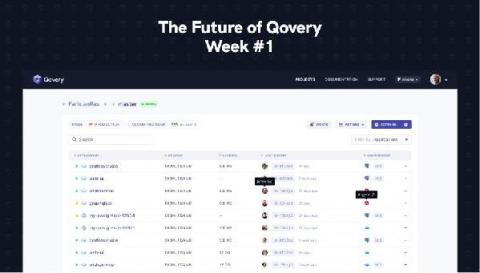
Seamless Cloud account management - The Future of Qovery - Week #8

During the next two weeks, our team will work to improve the overall experience of Qovery. We gathered all your feedback (thank you to our wonderful community 🙏), and we decided to make significant changes to make Qovery a better place to deploy and manage your apps. This series will reveal all the changes and features you will get in the next major release of Qovery. Let's go!

Key Kubernetes Metrics and Resources to Monitor for Peak Cluster Performance

Monitoring is not easy. Period. In our guide to Kubernetes monitoring we explained how you need a different approach to monitoring Kubernetes than with traditional VMs. In this blog post, we’ll go into more detail about the key Kubernetes metrics you have access to and how to make sense of them. Kubernetes is the most popular container orchestrator currently available. It’s available as a service across all major cloud providers. Kubernetes is now a household name.

Accelerating DevOps Using Cloud Native Technologies With AWS, Docker & JFrog

In this webinar we help you gain a deeper understanding of the benefits of migrating and modernizing applications from a monolithic architecture to microservices, in order to accelerate DevOps processes. We outline the efforts required to reach this stage of sophistication in application development and deployment.

How to Improve Kubernetes Management and Administration with LogDNA

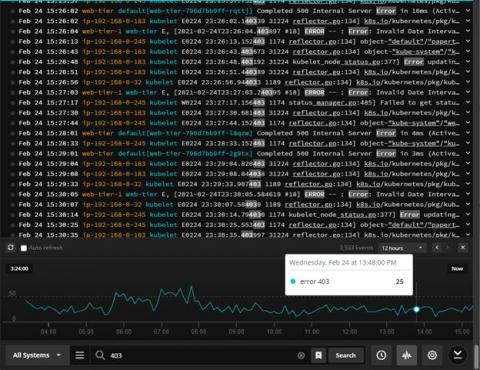
In this video, we will show how LogDNA helps DevOps teams using Kubernetes to consume, control and collaborate with logs. By providing value to data from every source, including Kubernetes, developers are empowered to leverage logs to ensure they can continue to accelerate development cycles, and Ops teams can easily onboard microservices teams without the need to modify their infrastructure.