Operations | Monitoring | ITSM | DevOps | Cloud

The latest News and Information on DevOps, CI/CD, Automation and related technologies.

How to Mass Update Records in Salesforce Using Excel Add-Ins

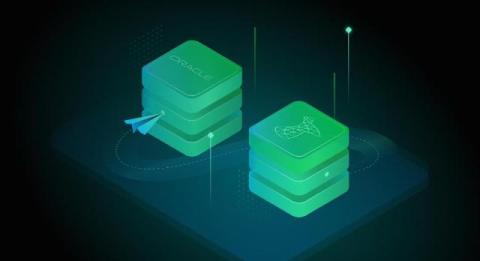
Manual updating of Salesforce records is far from optimal. If you have ever worked with this CRM, you should know it requires you to find the exact record you want to edit, and only then you’ll be able to change data in its fields. This is fine when you work with separate records, but what if you need to mass update records in Salesforce? If done manually, such an update might eventually lead to errors and consume time.

Mastering Golang Mocks for Efficient Testing and Improved Code Quality

Although GoMock is one of the most popular ways to create mocks in Golang, it’s important to understand the broader landscape of mocking methods in the language to fully leverage its potential value in testing. Mocking is a powerful technique that allows developers to isolate their code, improve test reliability, and ultimately enhance overall code quality.

The 4 Types Of Cloud Computing: Choosing The Best Model

There are four main cloud delivery models (cloud computing services) and four major cloud deployment models (types of cloud computing). Each model is unique, and that affects how it impacts cloud management, data security, and cost management, among other considerations. Here’s exactly what each cloud computing model provides and how to choose the best option for your needs.

The Need for Speed: Highlights from IBM and Catchpoint's Global DNS Performance Study

Despite DNS being the backbone of Internet connectivity, reliable metrics for benchmarking DNS performance are surprisingly scarce. This gap often leaves IT teams navigating in the dark, unable to effectively gauge how their DNS configurations stack up against industry standards. To address this pressing need, Catchpoint worked with IBM NS1 Connect to provide a clear, data-driven picture of DNS performance.

Streamline code quality: Integrating SonarCloud and SonarQube scanning with Kosli for automated compliance

Static code analysis is an important part of testing your software to ensure it is release-ready. In contrast to dynamic testing, which involves executing your code to find errors, static analysis uses automated tools to “look” through the code, without executing it, to find potential errors (including potential security issues) and bugs. Since the code does not need to be executed, static testing can begin much earlier in development than dynamic testing.

How to Build an Effective DevOps Roadmap: A CTO Guide

As a CTO stepping into the fast-paced world of startups or scaling tech organizations, one of your first and most critical tasks is to chart a clear DevOps roadmap. This roadmap isn’t just a technical guideline—it’s a strategic blueprint that aligns your tech initiatives with your business goals. To succeed, your approach needs to be systematic, focusing on immediate wins while building a foundation for long-term scalability and resilience.

Introducing Statusy - An Open Source Status Page Aggregator

A quick walkthrough of Statusy—an open-source status page aggregator that centralizes service monitoring for your team. Created by Yash Jain at Squadcast, Statusy simplifies tracking with a unified dashboard and flexible notifications. Set up in minutes and keep your team informed! Statusy is fully open source.