The latest News and Information on Continuous Integration and Development, and related technologies.
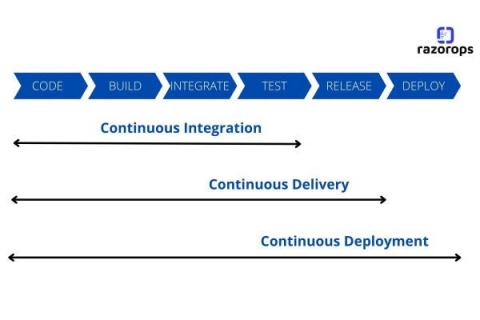
Continuous integration is a DevOps practice, where developers continuously integrate the code changes into a central repository. It most often refers to the build or the integration stage of the software release process.A continuous integration service helps to automatically build and run unit tests on the new code changes to find any errors instantly.
In this k6 series I have covered HTTP request testing with k6 and performance testing with k6. I designed these tutorials to introduce you to k6 and to show you how to use k6 for performance testing of microservices. As the third tutorial in the k6 series, this will cover how you can store your k6 test results locally and also how to schedule your load tests using CircleCI’s scheduled pipelines feature.
At Lightspeed, we maintain multiple large iOS projects as well as their modularized dependencies. The last year of acquisitions brought together many different approaches to CI/CD at our company. I recently led the initiative to bring these projects and practices into alignment. In this post, I will explain the goals we had for our continuous integration pipeline and the implementations we used to achieve them.
When is the last time you updated your CI/CD workflow? A year ago? Never? You are not alone, my friends. Reconfiguring workflows can be one of the most daunting tasks for DevOps practitioners. But with new opportunities to benefit from CircleCI plans, there’s one simple and effective place to start: understanding concurrency and parallelism. Using concurrency and parallelism can cut your build times significantly. But you need to know what they are and how to find them in your config file.
You know you need to secure your software supply chain. Everyone’s telling you that these days - your executives, your vendors, even the United States government. Your organization has an initiative to do so, or maybe they’ve brought in an expert to help you achieve this goal. But hold on a minute - do we have a shared understanding of what a software supply chain is, and what exactly makes it secure?
A brownout is an intentional but temporary disruption of service. Why would a company purposely cause a brownout and when does it make sense? In this post I will explain the what and why of brownouts, and provide some recent examples.
For engineering teams, CI/CD is the key to improving their development cycles. CircleCI is committed to helping our customers optimize their pipelines to streamline delivery to production. If your team values speeding your time to market, commit to trying these 5 best practices. These are CircleCI’s recommendations for cutting your development cycle times and improving your CI/CD processes in general.
Developing a quality software is considered incomplete without writing tests. Not only does the test assure the quality but it profoundly helps developers while refactoring or re-writing a piece of code. When it comes to testing, having well-planned and thorough testing throughout the software development cycle is very important. The most commonly used types of tests today are unit tests and integration tests.
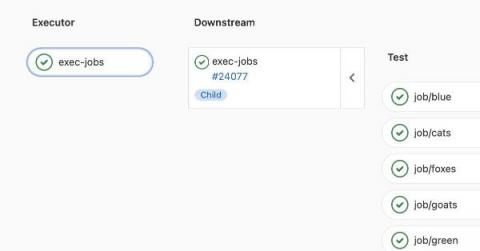
While doing packaging for Icinga, I noticed we have a lot of YAML files describing GitLab pipelines doing very similar jobs. The same build job across different operating systems. That’s wasteful behaviour, which leads to a bigger workload when it comes to modifying these jobs. Tasks like adding new versions and especially adding new operating systems become tedious. What I’m looking for is a way to have interchangeable values for our building jobs.