The latest News and Information on Containers, Kubernetes, Docker and related technologies.
One of the first considerations for FinOps teams trying to lower their public cloud spend is investing in long-term savings vehicles available from their Cloud Service Provider. These programs can provide customers with upwards of 72% savings off on-demand prices, in return for a 1-to-3-year usage commitment, so it’s pretty common that we see them in use by our customers.
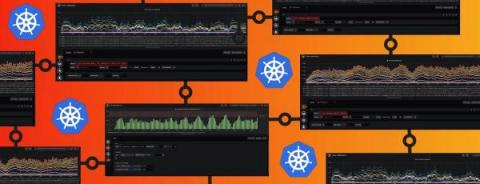
In part I of this blog series, we understood that monitoring a Kubernetes cluster is a challenge that we can overcome if we use the right tools. We also understood that the default Kubernetes dashboard allows us to monitor the different resources running inside our cluster, but it is very basic. We suggested some tools and platforms like cAdvisor, Kube-state-metrics, Prometheus, Grafana, Kubewatch, Jaeger, and MetricFire.
In this post, we'll dive into what CrashLoopBackOff actually is and explore the quickest way to fix it. Fasten your seat belts and get ready to ride. Everyone working with Kubernetes will sooner or later see the infamous CrashLoopBackOff in their clusters. No matter how basic or advanced your deployments are and whether you have a tiny dev cluster or an enterprise multi-cloud cluster, it will happen anyway. So, let’s dive into what CrashLoopBackOff actually is and the quickest way to fix it.
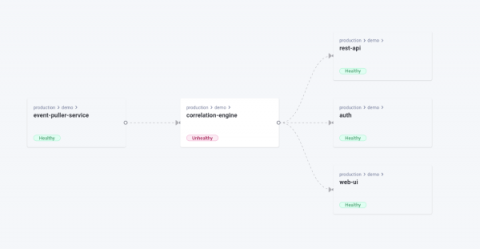
I am happy to share that thanks to the power of the open-source community, and our friends over at Otterize, we have now enhanced our Kubernetes offering for developers with another visual aid to streamline operations and troubleshooting – Dependencies Map. The Otterize network mapper is a zero-config tool that aims to be lightweight and doesn’t require you to adapt anything in your cluster.
The dev world was on fire this weekend, as news of yet another major open-source project was revealed to be in the midst of an identity crisis. The unsettling trend is clear: hit a certain adoption threshold, and then swap the licensing in an attempt to turn dedicated fans into revenue streams. With more companies searching for a sustainable business model and attempting to appease shareholders, the only certainty we have is, what was free yesterday, might be paid tomorrow.