The latest News and Information on CyberSecurity for Applications, Services and Infrastructure, and related technologies.
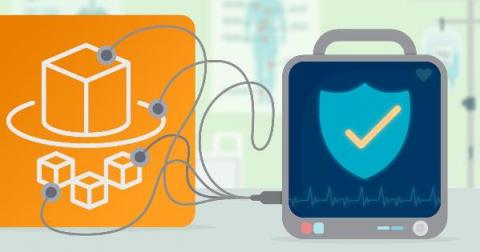
Fargate offers a great value proposition to AWS users: forget about virtual machines and just provision containers. Amazon will take care of the underlying hosts, so you will be able to focus on writing software instead of maintaining and upgrading a fleet of Linux instances. Fargate brings many benefits to the table, including small maintenance overhead, lower attack surface, and granular pricing. However, as any cloud asset, leaving your AWS Fargate tasks unattended can lead to nasty surprises.
We’re excited to announce Calico v3.19.0! This release includes a number of cool new features as well as bug fixes. Thank you to each one of the contributors to this release! For detailed release notes, please go here. Here are some highlights from the release…
In this, our competent blog, we boast of always giving you good advice and providing you with the technological information necessary for your life as a technologist to make sense. Today it is the case again, we will not reveal the hidden secret about the omnipotence of Control/Alt/Delete, but almost. Today in Pandora FMS blog, we give you a few tips for safe password management.
Every career has defining moments. Most are spread out over years or even decades, but the cybersecurity world has had two career-defining moments just in the past year. It started with the global shutdown due to the COVID-19 pandemic. Overnight, many organizations were forced to support employees working remotely. CISOs, like me, were expected to keep both our company and its employees safe in a completely unpredictable world.
We created our Logz.io Cloud SIEM with a clear goal: providing a rapidly deploying, flexible, and cost-effect security management tool that can serve broad datasets and withstand the occasional bursts of events without a sweat. However, our users were coming back to us with requests for more. After all, it’s great to proactively detect proliferating security threats, but what’s the next step beyond just identifying the threat?