Operations | Monitoring | ITSM | DevOps | Cloud

How EASM Discovers Your Attack Surface Vulnerabilities

With few exceptions, businesses of any scale depend on the internet. So, it’s all-important to manage and protect the external attack surface it presents to the world. An organization's external attack surface consists of the totality of possible entry points through which an unauthorized user can access an IT environment. This includes everything from websites, web applications and APIs to remote access points and cloud services.

Vulnerability Intelligence with Securin CEO Ram Movva | Security Insights Ep. 43

Securin CEO Ram Movva joins the show to talk all things vulnerability intelligence: how to prioritize according to risk, how to manage your external attack surface and emerging trends in ransomware and security. Ivanti finds, heals, and protects every device, everywhere – automatically. Whether your team is down the hall or spread around the globe, Ivanti makes it easy and secure for them to do what they do best.

How Automated Threat Detection & Eradication Enhances Cybersecurity

As businesses across the globe become increasingly reliant on cloud computing and digital infrastructures, the need for robust cybersecurity measures has never been more critical. For organisations, a growing hub of innovation, adoptingautomated threat detection and eradication strategies is essential in maintaining a secure cloud environment. The shift to cloud services has opened new opportunities for companies to scale and operate efficiently, but it also presents a unique set of security challenges.

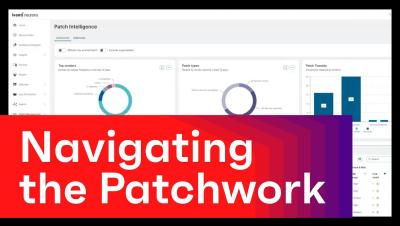
Navigating the Patchwork: Strategic Solutions for Vulnerability Management Challenges

Discover the recent changes and challenges in the patch management industry, including the increasing exploits and continuous patch releases. Learn about the rise in zero-day vulnerabilities and the need for a risk-based approach to vulnerability remediation. Explore the features of the Ivanti Neurons for Patch Management solution, including configuring patch policies for routine maintenance, priority updates, and zero-day response. See a demonstration of the compliance reporting feature.

CVE-2024-20359: Understanding And Detecting the Vulnerability

In today’s digital world, organizations face a constant threat from cybersecurity vulnerabilities. One critical vulnerability that demands attention is CVE-2024-20359, which can impact multiple systems, including Cisco Adaptive Security Appliance (ASA) and Cisco Firepower Threat Defense (FTD) software.

CVE-2024-21410: Ensuring Secure Firmware Updates in Industrial Devices

Security vulnerabilities are a serious issue for any organization. Even a single unpatched flaw can lead to disastrous consequences, including data breaches and loss of system integrity. CVE-2024-21410 is one such vulnerability that presents a significant risk. Found in a popular application used by many organizations, this flaw can leave systems exposed to attacks if not addressed promptly.

Automatic Vulnerability Remediation in Java Dependencies: A New Standard for DevSecOps

In enterprise Java applications, every vulnerability in a third-party library can have serious consequences - from data breaches to business process disruption. Traditionally, remediation could take weeks, leaving organizations exposed to risk during that time.

How to Build a Proactive Security Strategy Using Threat Intelligence

Proactive and reactive cybersecurity methods work hand in hand to shield your organization from various threat actors. Both protect your sensitive information from malicious parties. However, you must pay extra attention to your proactive security strategy. The devil you don't know is more dangerous than the devil you know. Concentrating on discovering unknown threats and stopping attacks before they happen can spare you from potentially eye-watering data breaches. To ensure your proactive cybersecurity strategy works like a charm, maximize threat intelligence.

Are you testing for known reliability vulnerabilities?

Are you testing for known reliability vulnerabilities? "Risks have different priorities, but ultimately we want to be aware of those risks. Just like we want our security team to go scan for known vulnerabilities, our reliability team should be scanning for known vulnerabilities. And those are easy things we should go address. There's a second part of it, which is kind of just good engineering testing, which is: Hey, we have a set of test cases that we know need to pass.