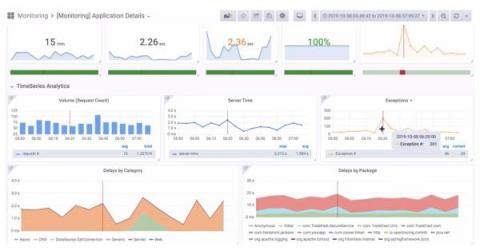
Grafana Tempo 1.5 has been released with a number of new features. In particular, we are excited that this is the first release with experimental support for the new Parquet-based columnar store. Read on to get a high-level overview of all the new changes in Grafana Tempo! If you’re a glutton for punishment, you can also dig into the hairy details of the changelog.
Today we are happy to officially announce that InfluxData has donated a generic object store implementation to the Apache Arrow project. Using this crate, the same code can easily interact with AWS S3, Azure Blob Storage, Google Cloud Storage, local files, memory, and more by a simple runtime configuration change. You can find the latest release on crates.io. We expect this will accelerate the pace of innovation within the Rust ecosystem.
InfluxDB is an open-source time series database. Built to handle enormous volumes of time-stamped data produced from IoT devices to enterprise applications. As data sources for InfluxDB can exist in many different situations and scenarios, providing different ways to get data into InfluxDB is essential. The InfluxDB client libraries are language-specific packages that integrate with the InfluxDB v2 API. These libraries give users a powerful method of sending, querying, and managing InfluxDB.
We love to write and ship code to help developers bring their ideas and projects to life. That’s why we’re constantly working on improving our product to meet developers where they are, to ensure their happiness, and accelerate Time to Awesome. This week, we are covering a featured product release that we think will save you time and effort when onboarding to time series and InfluxDB.
Dataflow is a fully managed stream and batch processing service from Google Cloud that offers fast and simplified development for data-processing pipelines written using Apache Beam. Dataflow’s serverless approach removes the need to provision or manage the servers that run your applications, letting you focus on programming instead of managing server clusters. Dataflow also has a number of features that enable you to connect to different services.
Your search application is more powerful than you realize. With these features, you can harness search data to build a better customer experience. What’s the top thing customers want when purchasing online? It’s ease. Experiencing friction for even a fraction of a second may send a shopper to a competitor’s site. It may also mean they don’t return to your site the next time they’re looking to purchase.