The latest News and Information on DevOps, CI/CD, Automation and related technologies.
An incident has been declared and your runbook has fired. Everyone is gathered in your Slack channel, the tickets are opened, and roles are assigned. Now what? This is when most teams manually update status pages and kickoff investigation streams using a patchwork of tribal knowledge and supporting playbook documents.
Today’s data centers generate a lot of data. Intelligent rack PDUs and other metered power infrastructure, environmental sensors, and the constant change in modern data centers all contribute towards a massive volume and variety of data. But data center professionals don’t have the time to collect all the data from its sources, analyze it, and derive insights from it that improve their data center operations.
In a DevOps environment, continuous testing is essential to success. By automating the testing process, you can release new, bug-free code faster, and more efficiently. In this software development tutorial, we will examine continuous testing, its benefits, and best practices.
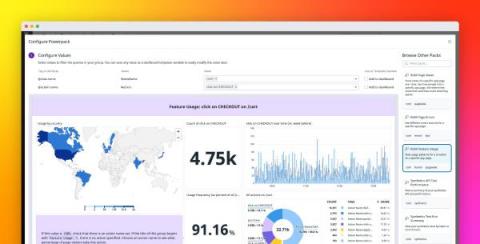
Dashboards allow you to visualize and correlate monitoring data from across disparate data sources, technologies, and infrastructure components to understand what’s going on in your environment. In a growing organization, it’s paramount to standardize how teams build their dashboards to ensure their consistency and legibility.
Recently I heard one of our prospects talk about a competitor who was promoting their data lake and ask, how are we different than that? His question got me thinking about why a data lake alone does not provide the depth of observability you really need. The goal of observability is to help SREs, IT Ops and DevOps teams run their IT systems with close-to-zero downtime. Consolidating data from across your environment into a data lake is certainly a good step.
A new report from IDC emphasizes just how critical autonomous compliance is for companies to ensure that their digital infrastructure environments are consistently hardened, resilient, and compliant. Leaders who prioritize compliance optimize company efficiency while reducing risk. The IDC PeerScape report outlines the best practices of these leaders, who, by implementing autonomous compliance, better protect their businesses.
Episode 5, Mooving to… Practical Postmortems covers how to leverage postmortems to effectively learn from failure. Postmortems are a commonplace reference and are now considered a best practice in most modern engineering teams. However, there’s still a lot of confusion on what postmortems should be – and more importantly, what they should NOT be. Thom Duran, Senior Manager of Productivity from Panther walks us through all that and more in the latest Mooving To.. episode!
Testing is an integral part of the software development process and is one of the key ways development teams can better understand how applications function. Testing also prevents changes in the codebase that can affect other parts of the code, enabling you to measure the quality of the software and eliminate any errors before users can interact with it. Most development teams use unit and integration tests assess their software.