Operations | Monitoring | ITSM | DevOps | Cloud

The latest News and Information on DevOps, CI/CD, Automation and related technologies.

Monitor Azure Container Apps with Datadog

Azure Container Apps is a serverless platform that enables you to deploy containerized applications and microservices—regardless of their code or framework—without managing any underlying cloud infrastructure or orchestrators. By using serverless containers, Azure Container Apps can automatically scale based on HTTP requests or events supported by Kubernetes event-driven autoscaling (KEDA) in order to accommodate peak demand and meet your budgeting goals.

Chaos testing: Reliability for cloud-native apps

Reliability is a critical concern for software delivery teams. Every second of lackluster performance or service interruption comes with high costs. The consequences can extend beyond just monetary expenses and have a huge impact on a company’s reputation. In a survey conducted in 2022, participants reported that over 60% of digital infrastructure failures resulted in losses of $100,000 or more.

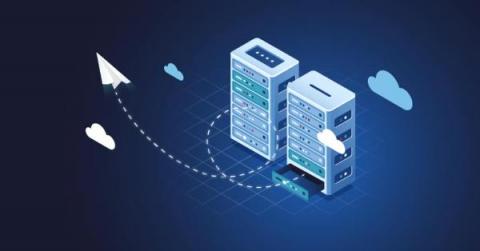
Data Center Redundancy 101

The world depends on data centers in all aspects of daily life. To meet all-time high levels of demand that continue to grow with no end in sight, downtime is unacceptable for most organizations. The cost of downtime is rising and 40% of businesses report that just one hour of downtime can cost anywhere from $1 million to $5 million, not including the other associated fees. Large companies report that an interruption during peak business hours can cost almost $1 million per minute.

Create Alerts on Cloud Monitoring

Are you interested to know about alerts in Cloud Monitoring? Would you like to know how to create metric based alerts for Google cloud products through cloud monitoring? In this video we introduce you to Alerts in Cloud Monitoring, how it works, the different types of alerting policies. Watch this video to learn how to create metric based alerts for Google cloud products.

Azure VM health monitoring - what's right for you?

Virtual Machines (VMs) are virtual computers with dedicated amounts of RAM, CPU power, and storage borrowed from a physical host computer. A Virtual Machine is a computer file, typically an image, that acts like a real computer. A Virtual Machine can have any operating system that runs in a window as a separate computing environment. Users can choose between the Linux distribution or Windows Server in the operating system.

Migrating to an open-source private cloud platform: key considerations

Private clouds combine the many benefits of cloud computing, like elasticity, scalability and agility, with the security, access control and resource customisation of on-prem infrastructure. Private clouds allow financial institutions to have greater control over hardware and software choices. They make it easier to enforce compliance with regulatory standards.

6 Best Network Inventory Documentation Tools

Although network inventory documentation isn’t the most glamorous task, it is essential for the success of any IT department. According to Steady Networks, “Workers spend about 22 minutes each day dealing with some type of IT issue.” An accurate network inventory can greatly reduce the time it takes for internal IT to identify and solve issues.