Google Cloud's 23 regions for logging, Private Service Connect & more!
Here to bring you the latest news in the Cloud is Stephanie Wong.


The latest News and Information on DevOps, CI/CD, Automation and related technologies.
Do you frequently find yourself typing a long command on the command line or checking the bash history for a command you've already typed? If you answered yes to any of the above questions, bash aliases will come in helpful. You can use aliases in Bash to create a shortcut command for a longer command. When working on the command line, bash aliases are essentially shortcuts that can save you time and effort by eliminating the need to remember long commands.
Automating data center tasks to increase operational efficiency is a primary goal for most data center professionals, but it can be a struggle. Professionals who have used legacy data center management tools like first-generation Data Center Infrastructure Management (DCIM) software, Excel, and Visio can attest to the fact that they are time-consuming, difficult to maintain, and inaccurate.
Microservices are an accelerating trend thanks to rousing endorsements from the likes of Google, Netflix, and Amazon. The microservice architecture is advantageous for it’s scalability, agility and flexibility. In contrast, the monolithic approach is the traditional tried-and-true model for building software. It’s much easier to debug and test. But how do you know which approach is best for your organization?
The Four Golden Signals of monitoring and observability get a lot of things right. But they could be even better.
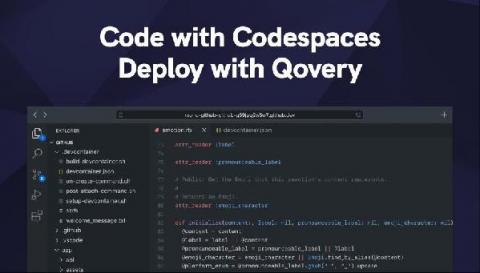
12 years ago, when I started to work as a Developer, I would not have bet that I will write software and manage infrastructure right from my browser one day. At the time, web IDE did not exist. And managing infrastructure from the browser was super early. Today, it is all possible, and the future looks bright! I am proud to announce that you can edit your code via GitHub Codespaces right from Qovery. Take a look at this short introduction video. Happy coding!
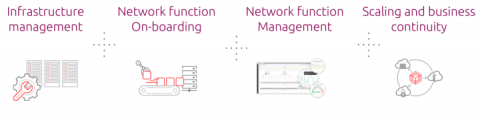
The use of NFV migration is becoming commonplace, it is made apparent there is a need for a higher degree of software management, smoother upgrades, and deployment process. Due to the complexity of the migration, Telcos have been deterred from adoption. A solution should be out there to aid businesses in managing and deploying network automation, orchestration, and managed services. In general, a telco network is complex and needs to be managed using multiple perspectives.