With an exploding volume of data and systems comes the need for observability, or the ability to understand the internal states of a system from knowledge of its external outputs. As a result, observability data's importance is at an all-time high. Businesses spanning every industry use it in various ways to respond to issues, increase agility, mitigate risk, and ultimately provide better experiences for their users. It’s an incredibly valuable commodity.
DNS (Domain Name System) servers translate standard language web addresses to their actual IP addresses for network access. DNS response time is the time it takes a Domain Name Server to receive the request for a domain name’s IP address, process it, and return the IP address to the browser or application requesting it. When it comes to DNS response times, the lower the better, and generally values less than 100ms are considered to be in the acceptable range (depending on the application).
Learn how to reduce your latency and get better network performance from the popular cloud service provider.
The ecommerce industry is booming. While the pandemic accelerated the need for businesses to digitalize, advancements in technology and the surge in available marketplaces also helped ease buying and selling online. According to Shopify, the ecommerce industry is expected to grow by almost $11 trillion by 2025. Online stores are popping up every day – with an estimated 12-24 million ecommerce sites globally.
The Go standard library has fantastic support for making HTTP requests. However, sometimes, a request needs to be modified or an action needs to be taken upon response (eg. logging a response). In many cases, adding these logs to the every request would involve a lot of duplicate code. In other cases accessing the client might not be possible because of restricted access in a different package or third party library. Thus, I introduce RoundTrippers.
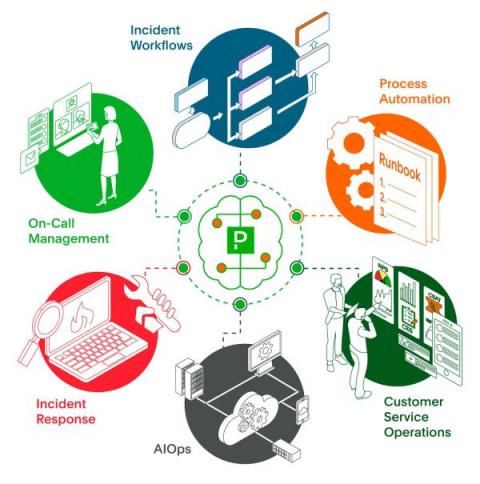
Incident response is one of the most challenging tasks that IT teams face. It's challenging not just because it typically involves many stakeholders and moving pieces, but also because teams usually face pressure to respond as quickly as possible. That's why investing in incident response automation is a wise choice. Although it may not be possible to automate every aspect of every incident response workflow, being able to automate at least the major elements of incident response will yield incident management processes that are faster, more reliable, and more consistent.Keep reading to learn about the components of incident response and which incident response activities to start automating.