The latest News and Information on CyberSecurity for Applications, Services and Infrastructure, and related technologies.
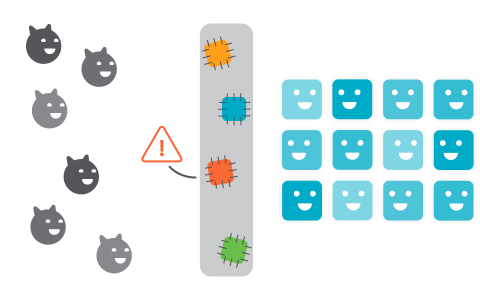
Recent allegations of an ex-Tesla employee syncing the Autopilot source code to his personal iCloud account is yet another classic case of how poor data security is, even in some of the most technologically advanced organizations. The Tesla leak isn’t even the first time that a data breach of such immense magnitude pertaining to self-driving technologies has occurred; in July 2018, an Apple employee was caught using AirDrop to transfer 40GB of confidential data to a personal PC.
Nowadays, it’s not uncommon to see enterprise IT leaders in a situation that seems like a catch 22. Oftentimes, they are expected to be involved in making data-driven decisions for augmenting productivity and profitability. Paradoxically, they are preoccupied with what they consider as their core responsibilities – applying best practices to safeguard the IT infrastructure and expediting investigations when incidents occur.
As Falco grows in popularity, many new users get exposed to it on a daily basis. As should be expected, most of these users are not aware of what the architecture underneath Falco is. What components play a role in powering it? How do these components relate to each other? I thought it would be fun to write a blog post that answers these questions. And I thought it would be fun to write it with an historical perspective.