Nowadays, it’s not uncommon to see enterprise IT leaders in a situation that seems like a catch 22. Oftentimes, they are expected to be involved in making data-driven decisions for augmenting productivity and profitability. Paradoxically, they are preoccupied with what they consider as their core responsibilities – applying best practices to safeguard the IT infrastructure and expediting investigations when incidents occur.
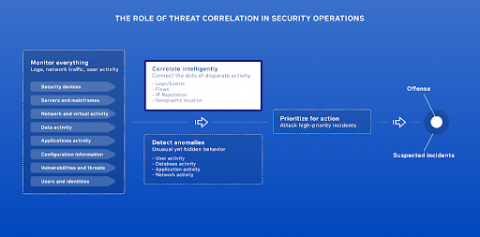
Event correlation tools are a fundamental instrument in your toolbox to detect threats from all sources across your organization in real time. A wise use of the right event correlation techniques through log management and analysis is the cornerstone of any reliable security information and event management (SIEM) strategy – a strategy that focuses on prevention rather than reaction.
Virtually every organization is a victim of cybercrime today. As the threat landscape evolves and proliferates, it’s necessary to prioritize the protection of data, customers’ privacy and brand reputation. Security directors must be prepared and equipped with the necessary tools to detect security events and address them accordingly at all times.
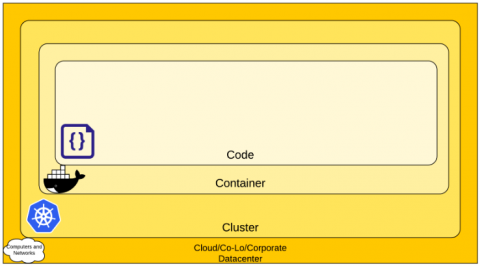
Kubernetes, commonly called K8s, is an open-source container management system developed by Google. Containers and tools like Kubernetes enable automation of many aspects of application deployment, which provides tremendous benefits to businesses. K8s is just as vulnerable to attacks and cybercrime as traditional environments, in both public and private clouds. In this blog post, we’ve compiled everything you need to know to make sure your Kubernetes environment is safe.
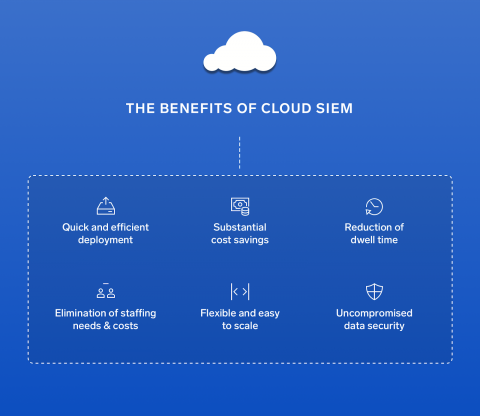
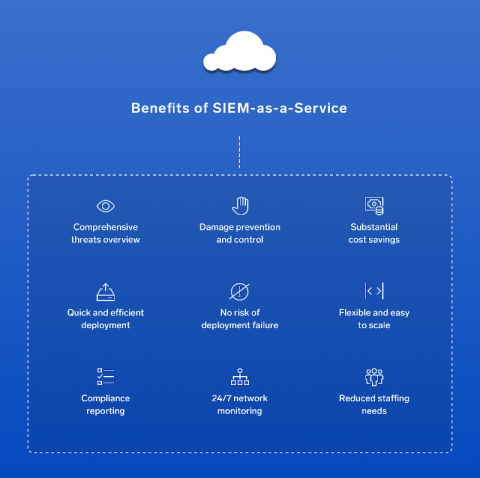
In our recent article, we outlined the benefits of Security Information and Event Management (SIEM) systems, and why it is a must-have for every organization that operates in today’s cyberspace. It remains the best solution that proactively targets proliferating security threats, though SIEM also brings a number of risks and challenges. In this blog, we address these challenges and explain how they can be overcome by opting for SIEM-as-a-Service instead of on-premises or other options.
Identities are easy to fake, but not actions. Closely monitoring the behavior of a person can reveal a lot about their true intentions. Similarly, keeping a close watch on a machine’s activities can expose potential security problems. Blending security information and event management (SIEM) with user and entity behavior analytics (UEBA) can bring numerous users and devices belonging to an enterprise under surveillance.
Not investing in Security Incident and Event Management solutions means you’re missing out on significant business benefits. SIEM detects and responds to security incidents in real time, which reduces the risk of noncompliance. It also helps realize greater value across all underlying security technology and systems. Reporting with SIEM is more comprehensive and less time-intensive, helping to reduce capital and operational costs through consolidation.
In the previous post of this series, we looked at how easy it is to get Log360 up and running due to its various deployment features and easy-to-use UI. Today, we’ll dive into the solution’s wide range of support for event sources across multiple environments. Servers and workstations. With Log360, you can easily go deep into the events occurring on all Windows, Unix/Linux, and IBM servers and workstations in your network.