Operations | Monitoring | ITSM | DevOps | Cloud

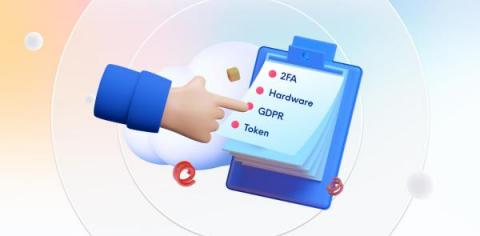
What Is Identity Lifecycle Management?

If you help to manage cloud environments, you’re probably familiar with the concept of identity lifecycle management. Identity lifecycle management helps you keep track of who is allowed to do what within your cloud. But merely understanding identity lifecycle management isn’t enough to administer modern cloud identities effectively. You also need a way to automate identity lifecycle management at massive scale.

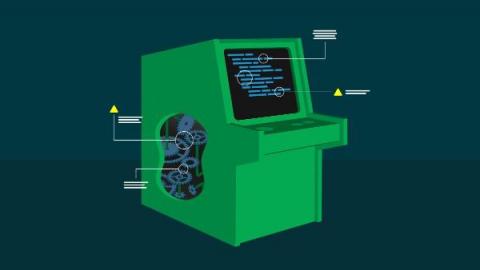
Unlocking self-service monitoring with the Sensu Integration Catalog

Introducing the Sensu Integration Catalog — a marketplace-like UX for simplifying new user onboarding, and deploying production-ready monitoring in a matter of minutes. The Sensu Integration Catalog is also an open marketplace that new and existing users can contribute to by sharing Sensu configurations. Continue reading to learn more!

Functional vs non-functional software testing

When you think of software testing, what comes up first? For many developers, unit tests and integration tests are often top of mind. Both software testing methods are vital to writing and maintaining a high-quality production codebase. But they are not sufficient on their own. Your team’s testing practice should assess the entire application, observe the larger story of how it operates when functioning correctly, and raise alarms when deviations are found.

Sentry's Android Gradle Plugin Updated with Room Support and More

Monitoring performance is a critical part of software development. We just released version 3.0.0 of our Sentry Android Gradle plugin, which brings a handful of auto-instrumentation capabilities to Android developers, featuring Room and SQLite queries performance, File I/O operations performance, and more.

3 Ways AIOps Drives Digital Transformation

Slowdowns caused by system disruption and complexities in your IT environment are more than an operational headache. They can have a direct impact on the bottom line. While it’s enormously important to make IT systems more efficient and give time back to the organization, it’s just as important to recognize the value of that time and understand the best ways to allocate it between workers, apps, and infrastructure.

Deutsche Telekom Security trusts in Icinga monitoring

We´re proud of our many customers and users around the globe that trust Icinga for critical IT infrastructure monitoring. That´s why we´re now showcasing some of these enterprises with their Success stories. It´s stories from companies or organizations just like yours, of any size and different kinds of industries. Some of them are our long-standing customers, others have just recently profited from migrating from another solution to Icinga.

Tech Terms Glossary: Basic and Advanced Computer Words All People Should Know

Ever wonder what techies are saying? Is computer jargon making your brain hurt? Not quite sure what all the buzzwords over the website mean? No worries, you are not alone! Like most subjects, computer science requires a certain vocabulary to build understanding and communicate clearly. It’s not rocket science (obviously, but you do need computer knowledge to do rocket science…), which means you can learn the basics with a little time and effort.

Why is Application Performance Monitoring Important?

Picture this: Your on-call engineer gets an alert at 2 AM about a system outage, which requires the entire team to work hours into the night. Even worse, your engineering team has no context of where the issue lies because your systems are too distributed. Solving the problem requires them to have data from resources that live in another timezone and aren’t responsive. All the while, your customers cannot access or interact with your application, which, as you can imagine, is damaging.

Leveraging Elastic to improving data management and observability in the cloud

Two recent studies conducted by Nucleus Research, focused on how a global telecommunications provider, and multi-line insurance company realized quantified business value through Elastic. The companies that were studied saw great levels of satisfaction from deploying Elastic Cloud. Through their adoption they were able to increase the maturity of their tech stack and circumvent prior limitations in scalability.