Securing access to business resources has always been of high priority for admins and IT teams. In the wake of the pandemic, workforces are more distributed than ever before, and 76 percent of global office workers state that they would like to work from home even when the pandemic is over.
Five worthy reads is a regular column on five noteworthy items we’ve discovered while researching trending and timeless topics. In this edition, we’ll learn about hyperscale data centers, including how they function, and the considerations and challenges organization face in deploying them.
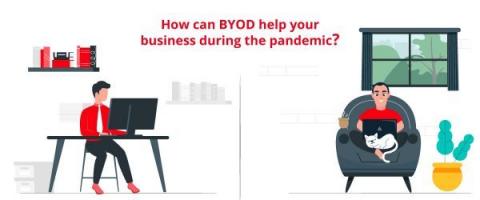
In the midst of the COVID-19 pandemic, even companies that had said no to BYOD have come to terms with it, as a fair share of remote work would not even be possible without such a policy. Pandemic or no pandemic, on-the-go data access has always enabled employees to get work done quickly and efficiently. It guarantees better communication with colleagues, improves customer service, and device familiarity brings employee satisfaction and increased productivity.
Universal Health Services (UHS), a Fortune 500 company and healthcare services provider, has reportedly shut down systems at facilities throughout the United States after the Ryuk ransomware hit its network on September 27, according to an article on the Health IT Security website. What is Ryuk ransomware? Ryuk is a sophisticated ransomware threat that targets businesses, hospitals, and government institutions across the world.
Vabi is a Netherlands-based company that provides “real estate data in order, for everyone.” Since 1972, the company has focused on making software that calculates the performance of buildings. Nine out of 10 utility buildings in the country have been simulated with Vabi’s sustainable model. Vabi has widened its scope from making calculations for construction and installation technology to making building data accessible to everyone.