Operations | Monitoring | ITSM | DevOps | Cloud

3 Ways to Maintain Your Agency's Focus on IT Modernization

Congress set the stage for IT modernization across the federal government by passing the Modernizing Government Technology (MGT) Act, allowing agencies to apply for a loan from the Technology Modernization Fund (TMF) to update their legacy systems. The theory states, with access to TMF funds, agencies can now improve innovation, enhance efficiencies, and strengthen their security postures.

CFEngine 3.16 - Compliance

Today we announce the newest additions to CFEngine. CFEngine 3.16 brings several improvements, bug fixes, and new features. The theme for this release has been compliance, and it notably includes a new category of reports for proving compliance to regulation and other compliance frameworks in high level, easy to read reports. If you are interested to learn more about CFEngine, schedule training, or hear about pricing options, feel free to reach out to us!

How to choose the right compliance management software for your business

While keeping data safe from modern cyberthreats is difficult enough, you also have to keep in mind compliance with common regulations, i.e., ensuring your company’s compliance to SOX, which deals with transparency in disclosures from public companies. Nowadays, it’s not enough for businesses to rely on dismissive financial documents that satisfy the intermittent audit; you need to level up your game, and create detailed day-to-day records of activities.

FIPS 140-2: Stay compliant and secure with Canonical

FIPS 140-2 is a set of publicly announced cryptographic standards developed by the National Institute of Standards and Technology. It is an essential part of FEDRamp requirements for many governmental agencies in the US and Canada, as well as their business partners from all around the world. Furthermore, as a well established and verified security standard, an increasing number of large companies and financial institutions are asking for FIPS compliance.

Patient Record Retention: Tips for Compliance and Protection

With the implementation of electronic health records (EHRs) into practices, patient experience has improved, among other advancements at the point of care. These include better access to patient records and highly efficient care delivery. While these are some significant benefits, some practices experience certain drawbacks too, such as temporary slowdown of processes during EHR transition and high ongoing maintenance costs. One of the most pressing issues include patient record retention.

Compliance Made Easy with JFrog Xray

As compliance managers, we often find ourselves in a struggle. Our responsibility is to uphold compliance standards but in order to achieve this, we need to “sell” the concept to the relevant stakeholders, inter alia the business teams and R&D. We’re put in the position of justifying required changes and processes and are thus mistakenly perceived as business “stoppers” and not enablers.

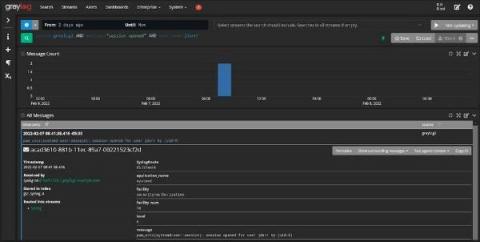
Audit Log: Feature Guide for Security and Compliance

In computing, an audit log is a record of an event. An event is any significant action that impacts the hardware or software of a computer – anything from a mouse click to a program error. Besides documenting which resources were accessed and what for, an audit file system will also include the source and destination addresses, the timestamp, and the user ID information.

On-Prem or Cloud? A Decision in Light of Security and Compliance

When an organization is ready to deploy a new solution, or build a new system, there is often a continuing discussion about the relative merits of using the cloud versus deploying on-premises. While there are a number of aspects that play into this decision, it is not always clear which is the better solution for security and compliance. Typically, deployment issues are not clear because security and compliance solutions quickly change when you are using shared vs. dedicated environments.