Recently I caught up with Jamie Allen on Episode 67 of the Slight Reliability podcast to discuss the idea of a single pane of glass (SPOG). Jamie had written an article titled The Single Pain of Glass which coincidentally was what I titled Slight Reliability Episode 10. I thought given our shared use of puns and this topic that it was worth a conversation! So, what is a single pane of glass? Is it an idea with practical application? How does it fit into the world of modern observability?
Almost every study examining the hourly cost of outages invariably leads to a clear and undeniable conclusion: outages are expensive. According to a 2016 study, the average cost of downtime was estimated at approximately $9,000 per minute. In a more recent study, 61% of respondents stated that outages cost them at least $100,000, with 32% indicating costs of at least $500,000 and 21% reporting expenses of at least $1 million per hour of downtime.
No one wants to be on the receiving end of the blame game—especially in the wake of a major incident. Sure, you know you were the one who made the final change that caused the incident. And hopefully, it was a small one that didn’t cause any SEV-1s. Still, the weight of knowing you caused something bad should be enough, right? Unfortunately, sometimes fingers get pointed, your name gets called, and suddenly, everyone knows that you’re the person who created more work for everyone.
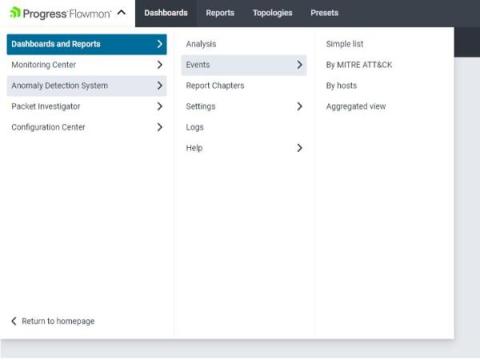
At Progress Flowmon, we continue to develop and improve the Flowmon product family. The latest update takes the core Flowmon product to release 12.3 and updates our industry-leading Anomaly Detection System (ADS) to version 12.2. In this blog, we highlight several of the improvements.
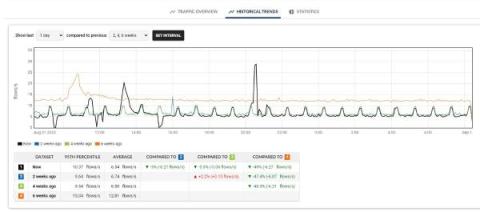
Historical Trends is a new functionality introduced with Flowmon 12.3 that will enable you to easily compare your current network traffic with historical values and gain new valuable insights.
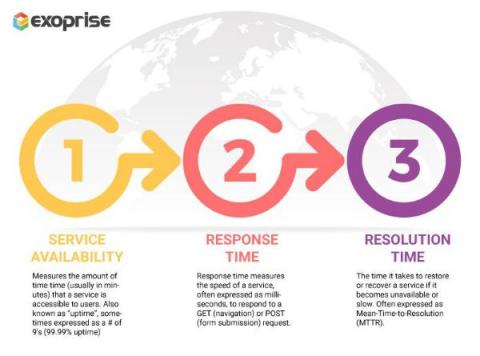
The importance of the network to businesses has increased over the years (obviously). Nowadays, they are the main way that work gets done - they're the main way anything gets done. Consequently, how organizations measure their performance needs to change as well. Rather than just focus on network availability or simple uptime, they need to dig deeper and monitor User Experience. EXperience Level Agreements (XLA) as opposed to the traditional Service-Level Agreements help them reach that goal.
Microsoft recently announced changes to Azure Active Directory. Today’s article covers the changes, providing sources for considerations, and how Exoprise’s service solutions will be affected.