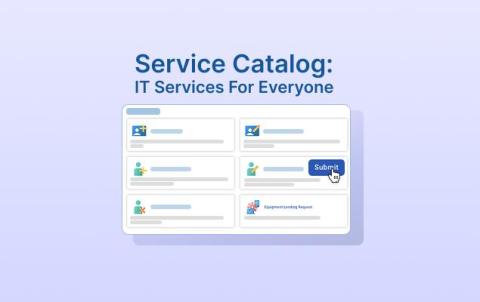
This article shares practical tips for using My Calendar in Alloy Navigator to organize tasks, sync with Outlook, and manage work and personal schedules in one place.
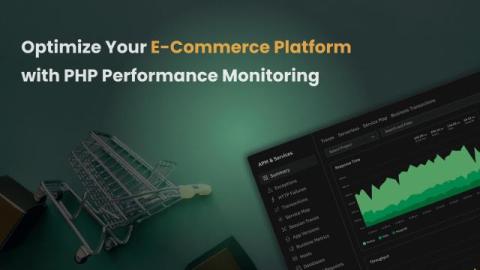
In e-commerce, seconds can mean millions. A one-second delay during checkout can slash conversion rates by 7% and send frustrated customers straight to your competitors. Most modern e-commerce platforms, such as Magento and WooCommerce, and Laravel-based solutions, run on PHP, making PHP application performance monitoring (APM) not just a nice-to-have, but a revenue-critical necessity.
When your PHP-based application starts attracting thousands of visitors, the way you run PHP becomes critical. A slow-loading page or a server crash during peak hours can cost you revenue, users, and reputation. PHP-FPM (PHP FastCGI Process Manager) is the default way most high-performance websites run PHP. While its default configuration works fine for small to medium workloads, high-traffic applications need custom tuning to handle large volumes of requests efficiently.
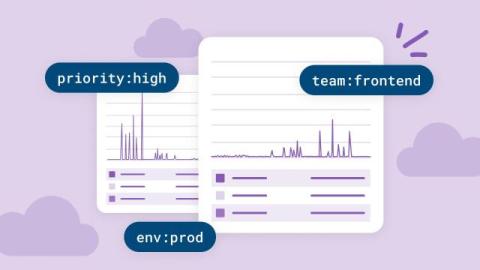
We're thrilled to announce that Honeycomb Tags are now generally available across SLOs, triggers, and boards! Over 100 customers are already actively tagging their observability resources in Honeycomb today.
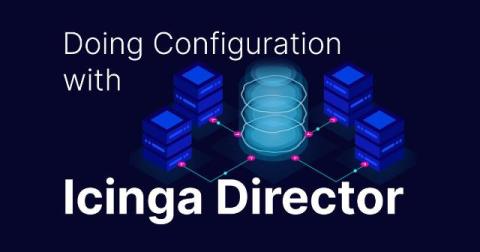
The Icinga Director configuration tool makes it easy to define monitoring objects through the web UI and deploy them to the Icinga 2 API. In this blog post, I’ll walk you through how to configure services in Icinga Director. If you haven’t used Icinga Director yet, take a look at our introduction. I assume that most of you are already familiar with Icinga 2 and have used the DSL to define objects.
Too many incidents waste valuable engineering time on the basics: collecting logs, pulling system data, and tracking down the right person to fix the issue. Meanwhile, customers experience delays, SLAs are breached, and critical work gets pushed aside. The real kicker? Those L3 and L4 severity incidents that could actually prevent future fires get labeled as “nice to have” and collect dust in your backlog. Automated diagnostics and triage eliminates these bottlenecks.
Something fundamental needs to change in the way we run operations. Organizations are deploying AI to optimize everything from coding and deployment to resource planning and incident management. But they’re discovering that managing AI-powered systems requires a completely different operational mindset. AI models hallucinate. Data pipelines degrade silently. Algorithms develop bias without warning.
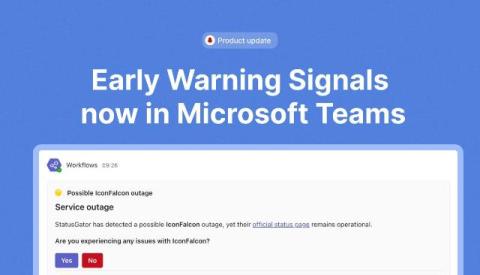
As promised, we’re continuing to expand our Early Warning Signals coverage. In addition to our recent integrations for Slack, SMS, and Webhooks, we’re excited to announce that Early Warning Signals now works in Microsoft Teams. This is another step toward making early outage alerts accessible wherever your conversations happen.
One Large Language Model (LLM) nails your brand’s tone but drifts after a model update. Another is lightning fast until it spikes in latency during peak hours. A third delivers brilliant answers except in specific regions where it falters.
K12 IT departments face a unique challenge: keeping dozens of educational technology platforms running smoothly while teachers conduct lessons and students complete assignments. A single service outage can disrupt hundreds of classrooms simultaneously. That's why implementing a k12 service status dashboard has become essential for school technology teams managing complex digital learning environments.