In this blog series, we’ll explore how Cribl Stream can leverage your existing cross-domain solution (CDS) to easily collect and send your log and metric data between disparate security domains or across air-gapped networks. The goal is to retain as much fidelity of the data as possible, deduplicating processes and simplifying management efforts.
On Dec. 5, 2013, Torkel Ödegaard made the first commit in GitHub for a personal project that would become Grafana. “It’s hard to believe it’s been 10 years since Torkel launched Grafana, growing from a small man with a big dream to becoming the most popular data visualization software in the world,” says Grafana Labs co-founder and CEO Raj Dutt. “The Story of Grafana” chronicles that meteoric journey.
Whether or not you made the journey to this year’s re:Invent, there’s always a variety of great announcements lost amid an action-packed week of keynotes, breakouts, expo hall demos, and networking sessions. No need to worry—we’re always happy to be a big part of the re:Invent experience and share our observations with you.
On-call scheduling is tricky. Like, really tricky. It was one of the scariest parts when we decided to build a modern alerting system earlier this year. We knew we couldn't cut any corners on Day One of our release because it needed to be a fully loaded feature for someone to realistically use our product (and replace an incumbent). This meant including windowed restrictions, coverage requests, and simple to complex rotations.
Get a dedicated internet solution with all the benefits of Megaport’s scalable network fabric in just 60 seconds.
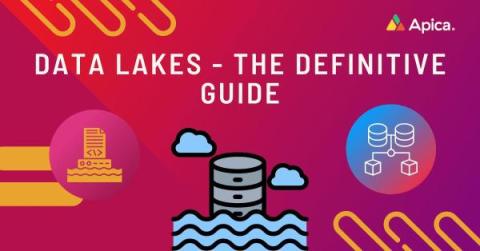
There is more data available to us than ever. Storing this data is important — but deciding on the right type of data storage solution is not so clear. This article explores two primary types of big data storage: data lakes and data warehouses. We’ll examine the benefits of each, then discuss the key differences between a data lake and a data warehouse, so you can decide on the best approach for your business.