Operations | Monitoring | ITSM | DevOps | Cloud

How OpsRamp Can Monitor Your Enterprise Applications

Application tracing may be getting all the hype these days and rightfully so, as monolithic Java and.Net applications give way to microservices-based applications in modern IT environments. Distributed tracing provides visibility into the flow of requests between the microservices that make up these applications, helping you to spot performance and network connectivity issues.

Data lakes vs data warehouses explained

In the era of big data, choosing the right data storage solution is crucial for organizations to harness the power of their data. Understanding the differences and benefits of data lakes and data warehouses can help businesses make informed decisions on which option best suits their needs. In this blog post, we will explore data lakes and data warehouses, their architecture, and their key features, enabling you to make the right choice for your organization.

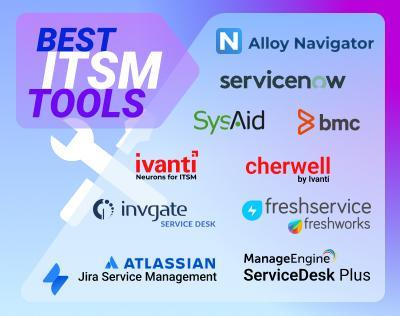
Ryan Ogilvie's Only Step to ITSM Success: Learn From Practice

While theoretical knowledge provides an understanding of useful concepts and frameworks, practice is key for IT Service Management (ITSM) success. More often than not teams find themselves working in intricate real-world scenarios, where they need an agile and hands-on approach to manage IT services effectively.

What is CMMS Software?

CMMS, an acronym for Computerized Maintenance Management System software, is a pivotal tool used by organizations to streamline their maintenance operations. This innovative technology is more than just maintenance software; it represents a comprehensive solution designed to manage, analyze, and optimize the maintenance activities within an organization.

What Is Observability? Key Components and Best Practices

Software systems are increasingly complex. Applications can no longer simply be understood by examining their source code or relying on traditional monitoring methods. The interplay of distributed architectures, microservices, cloud-native environments, and massive data flows requires an increasingly critical approach: observability.

Performance optimization techniques in time series databases: function caching

Relabeling is an important feature that allows users to modify metadata (labels) of scraped metrics before they ever make it to the database. As an example, some of your scrape targets may generate metric labels with underscores (_), and some of your targets may generate labels with hyphens (-). Relabeling allows you to make this consistent, making database queries easier to write.

The Limitations of Microsoft Teams

Microsoft Teams has emerged as a cornerstone of modern workplace collaboration, offering a suite of tools designed to streamline communication and project management. Despite its widespread adoption, it’s crucial to acknowledge that no platform is without its limitations. Understanding these constraints is essential for organizations to navigate potential roadblocks effectively and make informed decisions about their communication infrastructure.

Orchestration as a Data Management Challenge-Part 2

In Part 1 of this blog series, I proposed that closed-loop orchestration (CLO) is a data management problem. Data extends beyond your medical history, social media, and other PII in the digital world. Configurations, inventories, and monitoring systems are based on managing, interpreting, and actioning data. CLO is a workflow about manipulating the data around the target environments. Even the policies and constraints need to be expressed as data.

5 Elasticsearch Disadvantages You Should Know

Since its initial release in 2010, Elasticsearch has grown into the most popular enterprise search engine with use cases that range from web crawling and website search to application performance monitoring and security log analytics. But despite its widespread adoption and success, Elasticsearch does have some notable disadvantages that you should consider - especially if you’re envisioning a high-scale deployment with a large amount of daily ingestion.