Today, pretty much every critical business service, every critical employee job function, every critical customer transaction, and so much more are all reliant upon network connectivity. It falls to network operations (NetOps) teams to ensure network connections continue to support these demands. Over time, the scale and the complexity of the networks the organization relies upon have continued to grow, making the job of NetOps teams increasingly challenging.
Explore Cloudsmith’s powerful OKTA integration for user and user group management. Dive into the benefits, security considerations, and best practices to optimize user access, streamline workflows, and bolster security in your software operations. User management is the backbone of secure and efficient software operations. As businesses grow and evolve, the tools they use must keep pace. Enter OKTA and Cloudsmith.
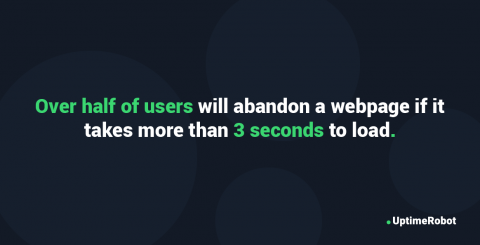
Website maintenance is not that different from keeping up with the maintenance of real brick-and-mortar stores. Would you shop at a dirty store, filled with broken furniture, and selling outdated products? We didn’t think so. Website maintenance plays the same role: it makes the business inviting, makes you look professional, and engages customers.
The Accelerate State of Devops Report highlights four key metrics (known as the DORA metrics, for DevOps Research & Assessment) that distinguish high-performing software organizations: deployment frequency, lead time for changes, time-to-restore, and change fail rate. Observability can kickstart a virtuous cycle that improves all the DORA metrics.
Over the past six months, we have been working on optimizing query performance in Grafana Mimir, the open source TSDB for long-term metrics storage. First, we tackled most of the out-of-memory errors in the Mimir store-gateway component by streaming results, as we discussed in a previous blog post. We also wrote about how we eliminated mmap from the store-gateway and as a result, health check timeouts largely disappeared.
If we start by sharing that AlertBot’s alert group feature lets you, well, alert certain groups, then you might wonder what earth-shattering revelations we have in store — such as water is wet, fire is hot, and the pain of Game of Throne’s final season will never, ever go away (seriously, whatever happened to Gendry?!). Yes, you’re right: the alert group feature IS about alerting groups of people about a site failure — but as George R.R.
If you work in end user computing, you’re no stranger to the irritation of mystery issues. Tickets come in weekly but no matter how many teams you talk to, or fixes you try to implement, the issues never go away. You search and search for the root cause - but can’t find it. Frustrated, you assume it’s something outside of your control. Maybe the issues is caused by home Wi-Fi or end user error. That must be it – right?