Operations | Monitoring | ITSM | DevOps | Cloud

Beyond hybrid and remote: How MDM can support the rise of near-from-home working

Challenges & Solutions Now that the world is reopening again from the pandemic, many employees are reluctant to go back to the office, preferring the convenience of work-from-home. To retain these employees, many organizations are adopting a compromise: hybrid work. In this setup, employees go to the office a few days a week, then report virtually from home for the rest.

Cloud Rate Optimization: How To Optimize Your Cloud Rates

When a company moves from an on-premises data center to the cloud, they expect changes to affect engineering decisions and functionality. After all, their whole way of building and supporting new products has changed. What many companies don’t expect is that the switch to working with cloud providers also necessitates new budgeting and accounting practices.

The Best Replenishment System...Might Be the One You Already Have

During our very worthwhile appearance at NRF just a few weeks ago, quite a few questions from visitors to our booth revolved around the ongoing challenges affecting retail replenishment. Nobody needs to belabor the problem—our post-pandemic economy is still plagued by unwieldy supply chain disruptions, leaving retail customers regularly disappointed with empty shelves—leaving them little choice but to consider competing stores (or online options) for everyday items they rely upon.

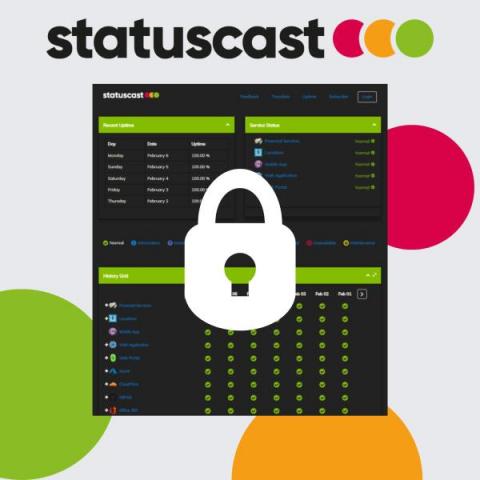
Private Status Pages Are The Key To Effective Incident Management

The IT team for a large organization plays a crucial role in ensuring the smooth operation of the company’s technology infrastructure. One important aspect of their job is incident management, which involves identifying, assessing, and resolving issues that arise with the technology systems. IT teams utilize status pages to interface with end-users in order to inform them of system status, downtime and maintenance.

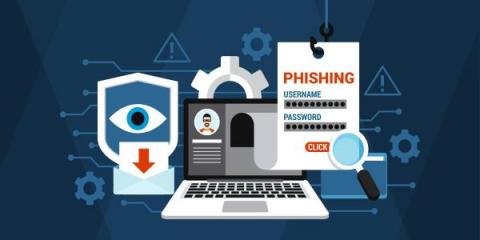
What is Managed Detection and Response (MDR)?

Cybersecurity is a top concern among businesses, especially as the number of cyberattacks, data breaches, and malware infections continue to grow each year. These attacks can happen at any moment during the day, too. It can be a headache trying to keep watch for cyberthreats 24/7 and know how to effectively respond when they are detected, especially for MSPs who have multiple different clients.

What Is a Business Continuity Plan, and Why Does Your Startup Need It?

A business continuity plan is a document that outlines the procedures and processes your organization should take to remain operational in the event of an unforeseen disruption or disaster. It includes strategies for recovering critical operations, systems, data, and resources, as well as plans for restoring normal operations. In other words, it is a plan of action designed to help keep your business up and running despite any type of disaster. Here's why your startup needs to have a certain level of readiness.

From 200 to 503: Understanding the Most Common HTTP Status Codes

When browsing the web, you may have come across error messages such as "404 Page Not Found" or "500 Internal Server Error." These error messages are HTTP statuses, which are an essential part of the internet's communication protocol. In this article, we'll cover the most common HTTP statuses and what they mean.