Operations | Monitoring | ITSM | DevOps | Cloud

14 benefits of using Site24x7 in Kubernetes observability

Launched in June 2014 as an open-source container orchestration software, Kubernetes is now ten years old. Being increasingly adopted by organizations of all sizes, Kubernetes has today become an essential part of the IT landscape. Kubernetes now completes the modern IT picture, along with Linux, the cloud, and containers that form the backbone of how most IT applications are developed and delivered.

Top five cloud monitoring challenges

Behind every cloud, there is exceptional monitoring. At least, there should be. However, the dynamic nature of the cloud, while its greatest strength, also poses a vulnerability by making it challenging to maintain visibility across all areas. As the cloud becomes the backbone of many organizations' digital operations, robust and efficient monitoring is essential to identify and resolve issues before they affect the business. However, effective cloud monitoring presents unique challenges.

Guardians of user experience: How REST API monitoring keeps your applications running smoothly

Modern web applications rely on invisible engines called REST APIs to function. These APIs handle crucial data exchanges behind the scenes, ensuring everything from login functionalities to dynamic content updates runs smoothly, handles client-server communication or communication across application services. But, just like any complex system, they are prone to errors and performance issues.

Unified Observability: Benefits of Tool Consolidation with Apica

Tool Sprawl is real and unified observability is the key to unlocking this hindrance, along with the many others in your IT monitoring. Some say that the golden era of software development is already gone, and some say that it has just started with the advent of AI. Nevertheless, with the ease of microservices, containerization and open-source adoption, the recent years have certainly become the glory days for SaaS organizations. But innovation almost always brings with it challenges.

Kubernetes network policies: 4 pain points and how to address them

Kubernetes is used everywhere, from test environments to the most critical production foundations that we use daily, making it undoubtedly a de facto in cloud computing. While this is great news for everyone who works with, administers, and expands Kubernetes, the downside is that it makes Kubernetes a favorable target for malicious actors. Malicious actors typically exploit flaws in the system to gain access to a portion of the environment.

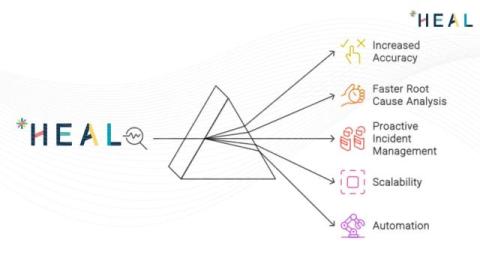
Understanding Event Correlation: A Key Component in Modern Observability Tools

Event correlation is a critical aspect of modern IT management, involving the analysis and correlation of events to filter out noise and isolate significant events requiring attention. This process helps quickly identify the root cause of issues, reducing the time it takes to resolve incidents and ensuring smoother operations. Key reasons for event correlation include reducing noise data and identifying root causes efficiently.

Automate Your Network Deployments With The New Megaport Terraform Provider

For cloud architects and network engineers, Terraform needs no introduction. Long acclaimed as a leader in the Infrastructure as Code (IaC) space, this tool is often used over vendors’ own automation tools, which tend to be an afterthought for most cloud services. For those with IaC skills, the rewards of using Terraform are plentiful. Users can provision and manage their cloud infrastructure with full customisation and rapid automation.

Faster. Smarter. Greener. Oris and Liip enhance their development workflow with a PaaS

Celebrating over 120 years of mechanical excellence and beauty, Oris has been a pillar of sustainable, independent Swiss watchmaking since 1904. By forging its own path and sticking true to its values, Oris has built a renowned brand and a stunning product range which they have continued to innovate and expand over the last century. Expansion which today includes a sharp, intuitive web and ecommerce platform.

What Is Cloud Elasticity? (And How Does It Affect Cloud Spend?)

Cloud computing provides significant benefits over on-premises computing, including the ability to expand operations without purchasing new hardware. But there’s more. With cloud computing, you can adjust compute resources to meet changing demands. For example, you can buy extra online storage for your chatbot system as you receive increasing customer inquiries over time. You’d pay for as much online storage as you use.