If you're a software engineer working with Kubernetes, you know how vital it is to have accurate, real-time information about your applications and resources. With StackState's dynamic Kubernetes observability dashboards, you can now access all the essential data you need for troubleshooting on a single screen. In this blog post, we'll discuss the key features of these dashboards, why they're valuable and how to get started with them.
The modern business heavily depends on an active online presence for customer engagement and revenue generation. But have you ever stopped to think about what makes these online services accessible to users around the world? Enter the Domain Name System (DNS), a crucial component of the internet infrastructure that translates domain names into IP addresses and directs traffic to the appropriate server.
As a Grafanista, you tend to find things to visualize — databases, microservices, classic video games, etc. It’s part of our “big tent” philosophy. So when our December hackathon rolled around, some of us in our internal homelab Slack channel decided to take a look at how we could get metrics out of our Plex Media Servers.
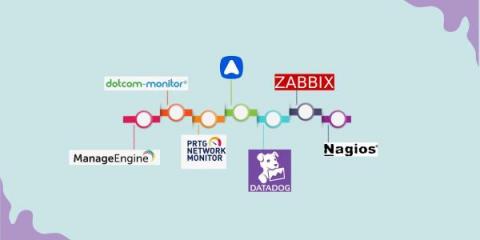
Getting more clients or adding a new service may sound like all it takes to expand your business, right? The truth is that expansion requires refining every aspect of your business’s operations and adopting a proactive approach to growth. There are several factors to consider when deciding to scale your business, including the cost of required software, resources needed to train technicians, and the cost of advertising the new service.
As the complexity of modern applications continues to increase, so too does the demand for comprehensive observability solutions. Organizations looking to enhance their applications’ performance, reliability, and scalability need powerful tools that allow them to monitor, analyze, and visualize their infrastructure. One such tool is InfluxDB 3.0, a time series database designed to handle large-scale monitoring and analytics workloads.
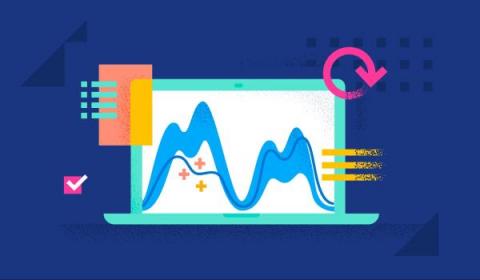
In the previous blog in our root cause analysis with logs series, we explored how to analyze logs in Elastic Observability with Elastic’s anomaly detection and log categorization capabilities. Elastic’s platform enables you to get started on machine learning (ML) quickly. You don’t need to have a data science team or design a system architecture. Additionally, there’s no need to move data to a third-party framework for model training.
Car rental companies face a range of challenges when it comes to managing their assets. One of the most significant issues is asset tracking and theft prevention. Fortunately, the use of RFID technology and asset management software can help car rental companies to overcome these challenges and improve their operations. In this blog, we will explore the role of RFID in enhancing asset tracking and theft prevention in car rental & asset management software & its benefit for car rental.
In the car rental industry, fleet management is an essential aspect that involves managing and maintaining a fleet of vehicles. This includes activities such as monitoring vehicle usage, maintenance scheduling, and monitoring vehicle availability. In the past, fleet management relied heavily on manual processes, which were time-consuming and inefficient.