Over time, limitations were found with the programming languages responsible for creating web applications, leading to the development of WebAssembly (WASM). You can leverage WASM to create applications for web browsers using other high-level programming languages than those traditionally used for web development. As a result, developers can now build cloud-native applications that can work more efficiently with Kubernetes and other cloud-native technologies.
Incidents that impact user experience are some of the most common challenges that IT, security, and operations teams must face. Users have high expectations for application uptime, and organizations are responsible for ensuring applications are available for them. From application performance to user interface design, many factors can affect a customer’s experience—and resulting confidence—in your product’s capabilities.
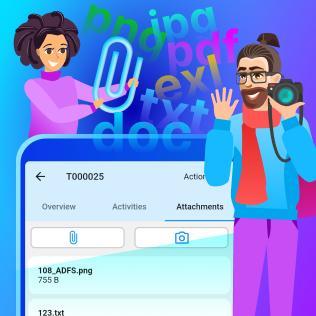
As the saying goes, a picture is worth a thousand words. This is especially true when describing your problem to IT support. The good news is that Alloy mobile apps can since now handle attachments, including pictures and documents! Technicians and end-users can attach files when submitting issues or collaborating on tickets—in short, in all their daily operations. The new feature enables uploading an existing file from the device library and taking a picture immediately in the app.
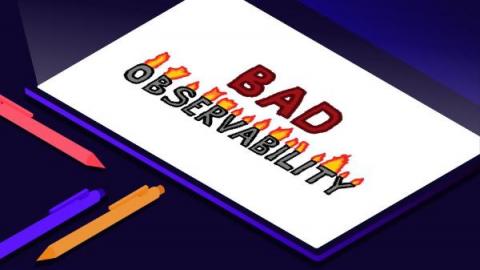
Observability has become a bit of a buzzword in the industry for the last few years. Exactly what "observability" means depends on who you ask, but most people would agree its about both: There's plenty of content out there telling you how to implement observability, or what good looks like. But what about bad observability? What are some anti-patterns to watch out for?
The news have been full of coverage: ChatGPT (Generative Pre-trained Transformer), the prototype chatbot released by OpenAI in November 2022 seems to hail in a new era of information sourcing, schooling and learning, and interacting with a computer. The service sprinted to one million users in five days after the launch, with many more following until this date.
Observability data provides the insights engineers need to make sense of increasingly complex cloud environments so they can improve the health, performance, and user experience of their systems. These insights can quickly answer business-critical questions like, “what is causing this latency in my front end?” Or, “why is my checkout service returning errors?” Observability is about accessing the right information at the right time to quickly answer these kinds of questions.
Technology and innovation have made access to customer data a walk in the park for many businesses. In today’s world, access to customer data is one significant way businesses can provide services that their customers will find acceptable. It helps you provide personalized services and offer customers products and services they will find relevant, which will lead to increased sales conversion. But, unfortunately, most good things have their downsides, and access to customer data is not excluded.
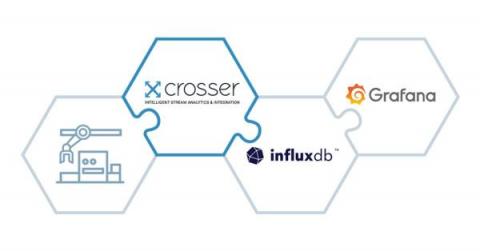
Crosser is a Swedish company that builds a streaming analytics platform. The idea behind Crosser is to take the data from a connected, sensor-rich world and integrate it in real time to deliver faster insights and innovation. Primarily focused on the industrial IoT (IIoT) space, Crosser helps manufacturers gain insight into their machines and processes to drive improvements and to take advantage of newer trends and requirements that companies have for their data.