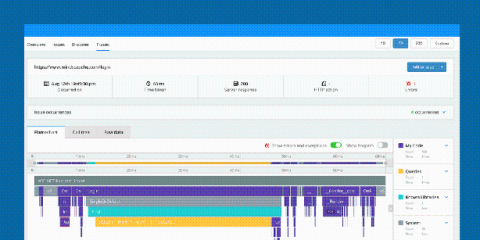
Kemp, known for its well-tuned and easy-to-use load balancer LoadMaster, has acquired Flowmon, extending its product portfolio and growing through acquisition. So you may ask, how does the technology fit?
For more than a decade we have been concentrating our best talents into two areas. Improving technology and making our products available globally. Now, the time has come to massively scale up our business and technological power.
With only 49 days before this very long year comes to an end, we’re thrilled to announce the 2020 State of DevOps Report is finally here. We’re in our ninth year producing the State of DevOps Report; at this point, more than 35,000 technical professionals from around the world have contributed to this body of research, the longest-running and most widely referenced DevOps research in the industry.
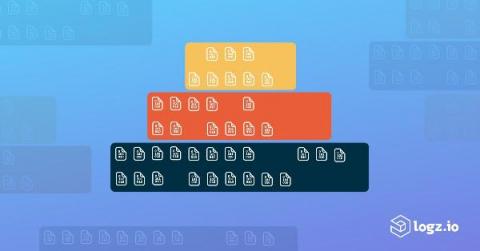
Logz.io Smart Tier gives you the flexibility to place data on different tiers to optimize cost, performance and availability. Unlike the traditional hot-warm-cold paradigm, Logz.io Smart Tier gives you a “hot” real-time experience while on a “warm” tier, at a reduced cost.
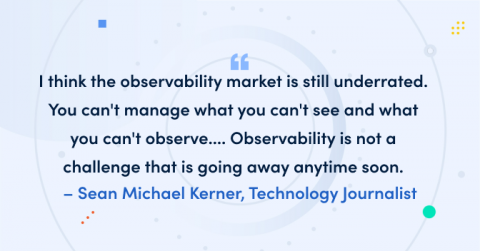
The observability market is undoubtedly hot. Consider the headline-grabbing evidence: multiple IPOs, hundreds of millions of dollars in venture capital funding for startups, and huge market caps of vendors playing in the space totalling more than $80 billion. Still, it has to be asked: Is all the hype warranted, or is this really just “absurdability”? We asked seven industry watchers to weigh in.
I’m excited to announce the release of Puppet Enterprise 2019.8.3. This release builds on a number of important product enhancements based on customer feedback and delivers on the second phase of our highly requested Value Dashboard.
The 2019.8.2 release of Puppet Enterprise has added a significant improvement to code deployment by enabling Puppet modules to be downloaded in parallel instead of serially. This functionality was added to the upstream r10k project almost a year ago and has now been added to Puppet Enterprise Code Manager.
Puppet Plans were added in the 2019.2 release of Puppet Enterprise and Puppet Enterprise 2019.8.2 extends that functionality by adding support for scheduling Puppet Plans. This enables plans to be run at some point in the future or on a recurring schedule. Plans can be scheduled using the Puppet Enterprise console, Puppet Enterprise command line, or the Puppet Enterprise REST API. In this blog post we’ll walk through how to schedule a Puppet Plan in the Puppet Enterprise console.
share post Gaming is a vast industry that is continuing to grow. Multi-player cloud-based games especially are becoming more popular and taking the market by storm. With everything going on in the world, it’s no wonder people are looking for a bit of downtime and a way to escape the tribulations of everyday life. Game developers face many challenges in order to get their games on the screens of as many global players as possible.