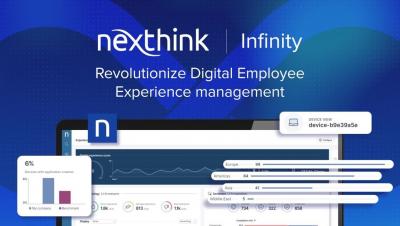
Nexthink Infinity: Platform Overview
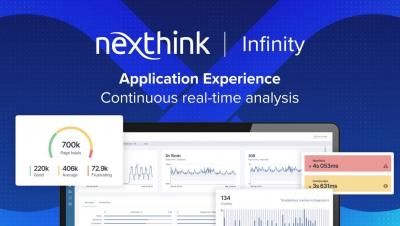
Learn how Nexthink Infinity revolutionizes your Digital Employee Experience management and frees IT to cost-efficiently deliver the ideal digital workplace.


The latest News and Information on Monitoring for Websites, Applications, APIs, Infrastructure, and other technologies.
Enterprises are increasingly adopting Kubernetes. In fact, Gartner estimates that by 2026 more than 90% of global organizations will be running containerized applications in production, an increase from fewer than 40% in 2020. And IDC reports that 80% of new workloads are being developed in containers.
Network and IT infrastructure monitoring is something necessary for all connected organizations today. However, choosing the right network monitoring tool and software is not easy as there is a huge diversity of these tools on the market now. Comprehensive network and IT monitoring tools help you manage your devices and ensure that they are available when you need them. These tools and software offer a wide variety of benefits for companies of all sizes.