The latest News and Information on Observabilty for complex systems and related technologies.
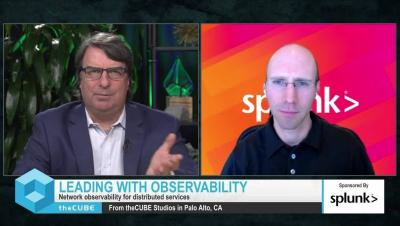
Digital transformation is accelerating at a staggering pace. Consider these statistics. In December 2019, Splunk partner Zoom had 10 million monthly active users. By the end of last year, that number was estimated to be closer to 300 million. It was part of an explosion of technological growth replicated across many industries and businesses in 2020. As Splunk CEO Doug Merritt said.
What precisely are the requirements of a DevOps practitioner, as opposed to an SRE, legacy developer, or operations manager? And do those specific requirements require a different approach to monitoring?
Amidst the nonstop pace of work to constantly evolve today’s digital business, we can forget to take a moment out to think about how it is that we’re doing that work. A new series of ‘coffee break’ webinars aim to provide that opportunity by pausing to look at the ways humans can best work with observability data. In particular, Coffee Break with Helen Beal looks at improving the work done by different types of software engineers that leverage artificial intelligence.
This is the second in a series of blog posts exploring the role that intelligent observability plays in the day-to-day life of smart teams. In this post, meet our clever ITOps engineer, James, as he reduces noise and distraction using intelligent observability.
I drive a 2005 Ford diesel pickup truck. Most of the time my truck runs great. But occasionally an orange light on the dashboard will flicker on to alert me that something is wrong. Unfortunately, there’s no information about what is wrong and why. My truck has a monitoring solution, but not an observability solution. In many cases, IT has the same problem as my truck.