Operations | Monitoring | ITSM | DevOps | Cloud

The New Rootly Ringtones: How Research-based On-Call Sounds

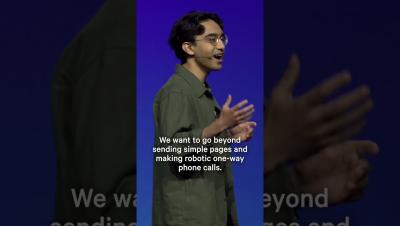
We set out to create a ringtone that wasn’t just loud—but the sound of a modern pager. Something that wakes you up, but without triggering a full-blown adrenaline spike. In this video, go behind the scenes with sound engineer Gorjão as he crafts a how research-based on-call sound sounds like.

Designing smarter on-call schedules for faster, calmer incident response

When an incident wakes your team early in the morning, the last thing you want is confusion about who’s responding or how help will arrive. An effective on-call schedule doesn’t just get the right person online. It helps them stay calm, confident, and capable of solving problems quickly. Done right, your on-call setup becomes a powerful lever for reducing Mean Time to Acknowledge (MTTA), Mean Time to Resolve (MTTR), and the overall stress that incidents place on your team.

How Should You Compensate Your Employees for Being On Call?

In today’s fast-paced, always-connected world, many businesses require employees to be on call to ensure smooth operations and quick responses to critical issues. However, compensating employees for being on call can be a tricky subject. It’s important to strike a balance between fairness, accountability, and incentivizing the right behaviors. Let’s explore four common methods of compensating employees for being on call, along with their advantages and disadvantages.

What Grafana OnCall's Maintenance Mode Means for On-Call Teams

If you’ve been using Grafana OnCall OSS for incident management, you may have already heard the news—it’s now in maintenance mode and will be archived within one year. Grafana Labs recently announced that Grafana OnCall OSS is now in maintenance mode and will be archived in 2026. This means no new features, limited updates, and eventually, no support.

How we structure on-call rotations at Datadog

A well-structured on-call rotation helps you ensure the reliability of your services and meet your customers’ expectations by designating staff to respond to emerging issues. But the pressures of on-call work—such as long shifts, overnight hours, and dynamic situations—can compromise the well-being of your team members. This makes it harder for them to maximize service uptime during their on-call shifts and can limit the velocity of the feature work they do outside of their on-call duty.

How to create an effective paging strategy

Empowered engineers and effective tools are the foundation of incident management, and having a solid on-call process can help facilitate both. In practice, however, many paging approaches have the opposite effect, often overwhelming responders and increasing burnout. To create an effective paging strategy, organizations should focus responder attention on the most important issues and help facilitate a sense of ownership over them.

Grafana OnCall OSS in maintenance mode: your questions answered

At Grafana Labs, we believe in treating everyone with respect, and a core aspect of respect is clear and transparent communication. When we decided to move Grafana OnCall (OSS) into maintenance mode, we knew that along with the public announcement, there would be a lot of questions.

Incident response and on-call management in one app: Introducing Grafana Cloud IRM

At Grafana Labs, we’re always searching for ways to develop products that give our users the best tooling to help in their day-to-day understanding of their systems. We built OnCall and Incident in Grafana Cloud, our fully managed observability platform, to make it easier to respond to and fix incidents — all on top of the Grafana dashboards you know and love.

Why engineering teams are moving from PagerDuty to incident.io On-Call

Recently, we hosted a webinar on migrating from PagerDuty, where we explored why so many engineering teams are rethinking their on-call tools. This blog post is based on that conversation, diving into the frustrations teams face with PagerDuty and how incident.io On-Call offers a better way forward.