Whilst researching recent client-side attacks our security team observed a highly-sophisticated self-cleaning and self-destructing skimmer on the popular hardware tool website Greenworks. The hack was first spotted by RapidSpike’s Client-Side Security Scanner on June 8th, and at the time of writing, the hack is still live on www.greenworkstools.com/.
Malware attacks are evolving and once common tactics are becoming a thing of the past. Attack strategies, like using a third-party hacking program or injecting viruses from external sources, are almost obsolete as they leave a distinct footprint. Most antimalware tools can now detect the presence of a foreign program or device and immediately block them.
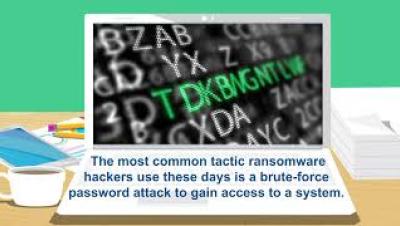
Ransomware is a serious threat to institutions of all kinds, resulting in mounting costs for organizations that must literally pay ransom to regain access to their essential systems. A ransomware attack takes place when a cybercriminal denies an organization access to the data it needs to conduct business, usually by encrypting the data with a secret key. The attacker then offers to reveal the encryption key in exchange for a payment. The payment can vary in amount or kind.
Fear, uncertainty, and doubt are powerful emotions, and time and again, hackers attempt to leverage these for their own gain. As the coronavirus develops into a worldwide pandemic, hackers are taking advantage of the fear many of us feel to spread malware. We’re seeing an abundance of coronavirus-themed phishing, business email compromise (BEC), malware, and ransomware attacks targeting different industries, especially in the health sector.
In 2019 multiple cities, hospitals and educational institutions in the U.S. were crippled by ransomware, including Baltimore, Atlanta, New York City, Regis University in Denver and Monroe University in New York. In the the last 12 months, the infosec community has seen these ransomware operators seriously upping their game (see Ryuk ransomware).