New Integration: PostgreSQL Instrumented for Node.js
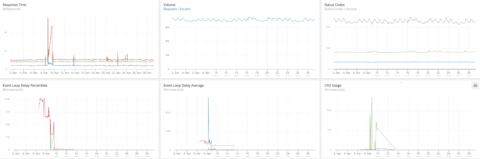
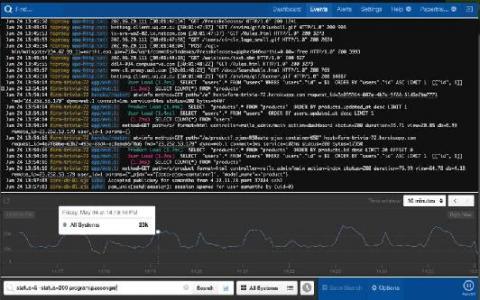
Today’s release of Node.js integration supports PostgreSQL as well as all the consumers of the pg library.
Memory leaks are something every developer has to eventually face. They are common in most languages, even if the language automatically manages memory for you. Memory leaks can result in problems such as application slowdowns, crashes, high latency, and so on. In this blog post, we will look at what memory leaks are and how you can avoid them in your NodeJS application. Though this is more focused on NodeJS, it should generally apply to JavaScript and TypeScript as well.
Applications built on the Node.js platform, an event-driven I/O server-side JavaScript environment based on Google Chrome’s V8 engine, are known as Node.js applications. Since both the server-side and the client-side are written in JavaScript, Node.js facilitates easier and faster implementation of codes, and processes requests quickly and simultaneously; this is greatly beneficial for building real-time applications, especially chat and streaming applications.
A classic problem that every backend developer has faced during their work is testing an application that uses a database. A perfectly valid solution is to use the real database for testing your application, but you would be doing an integration test, while you want a unit test. There are many ways to solve this problem. You could create the database with docker, or use an in-memory compatible one, but if you are writing unit tests that can be easily parallelized this will become quite uncomfortable.