Operations | Monitoring | ITSM | DevOps | Cloud

SPA Tracking & Monitoring: How to Build Better Single-Page Applications Through RUM (Real User Monitoring)

Did you know roughly half of the users that visit your website leave if it takes more than 3 seconds to load? Optimizing your website or webapp for stellar performance is always a crucial goal for any software based business. But, the ecosystem has changed in recent years. Smartphones are taking over. Developers need to build websites and optimize for performance primarily targeting these smaller devices. It’s not solely about performance though.

Integrate Akamai mPulse real user monitoring with Datadog

Akamai mPulse is a real user monitoring (RUM) service that enables organizations to get deep visibility into end user experience across their websites or applications. With mPulse, businesses can collect high-granularity metrics directly from their users’ browsers, and then analyze that data to pinpoint slow resources (e.g., third-party scripts), track user engagement, and make decisions to improve the performance of their products.

Sponsored Post

The 7 best Real User Monitoring tools for 2019

As applications become more complex, a single JavaScript error can really make a difference to your bottom line. The average Fortune 1000 company, after all, spends upwards of $2.5 billion each year on unplanned application downtime. When an app doesn't work like it's supposed to, it doesn't exactly inspire users to continue fidgeting with it.

Dash 2019: Guide to Datadog's newest announcements

At Dash 2019, we are excited to share a number of new products and features on the Datadog platform. With the addition of Network Performance Monitoring, Real User Monitoring, support for collecting browser logs, and single-pane-of-glass visibility for serverless environments, Datadog now provides even broader coverage of the modern application stack, from frontend to backend.

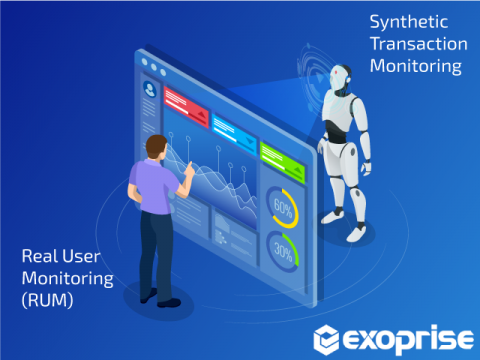
Synthetic Monitoring vs. Real User Monitoring for Application Performance Management: Pros and Cons

It is no longer sufficient for IT operations teams to monitor resources like CPU, memory and disk utilization. The success of any IT initiative these days is measured based on user experience. Irrespective of the type of application in question – whether email, Citrix/VDI, SAP, web application – application availability and response time are key measures of user experience. Application outages not only affect users, they can also impact the business.

What is Real User Monitoring

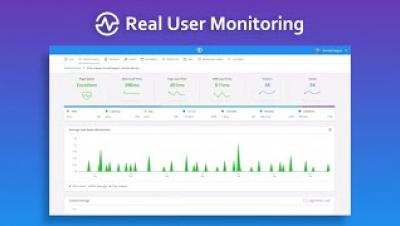
Real User Monitoring, or RUM, is a type of monitoring technology for digital businesses that analyzes customers’ digital experiences by looking at exactly how online visitors are interacting with a website or application, analyzing everything from page load events to AJAX requests to frontend application crashes. The most commonly known example of RUM would be Google Analytics, or GA, which tracks certain spectrums of the interaction between your user and your website or webapp.

Real user monitoring: Who wants to monitor the average experience?

One of my biggest issues with the display of performance data in digital experience monitoring is using the “average” as the main value. Averages are of course useful in certain scenarios but when it comes to real user interactions on your website, averages are really unreliable.

5 Best Practices for Getting the Most out of RUM

More than likely you’re here because you’ve made the leap or are thinking of making the leap in investing in a Real Monitoring Solution. Congrats. You’re one step closer to having the power of user metrics working in your favor. Real User Monitoring is a way for your users to communicate with you how satisfied they were when they interacted with your website or webapp, so how can you be sure you’re listening correctly?