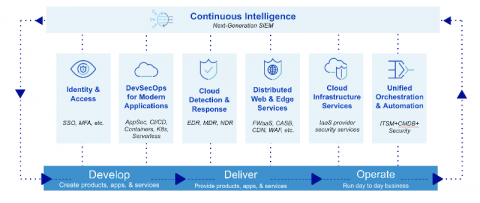
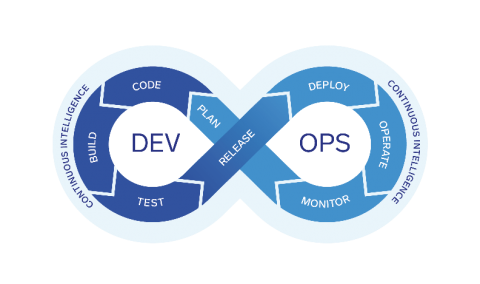
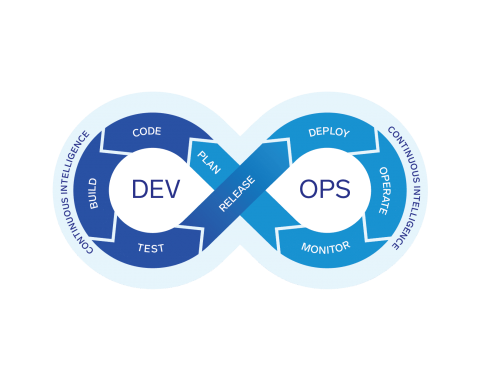
Logging is probably not the first item to come to mind when most of us think about DevSecOps, a term that refers to the integration of security into DevOps processes, but it should be. Logging and log management play a critical role in helping to put DevSecOps principles into practice by ensuring that developers, IT operations staff, and security teams have the visibility and communication pipelines they need to prioritize security at all stages of the DevOps delivery cycle.
Software development and delivery is an ever-changing landscape. Writing software was once an art form all its own, where you could write and deploy machine code with singleness of purpose and no concern for things like connecting to other computers. But as the world and the variety of systems that software supports became more complex, so did the ecosystem supporting software development.
Every evolution in technology starts with the people behind it. So understanding the context, roles, and objectives that gave rise to DevOps — and now DevSecOps — isn’t just an exploration of timing and technology; it’s central to how we define organizational success. In this post, I’ll recap a conversation I had with Gareth Rushgrove, Director of Product Management at Snyk, a cybersecurity platform that helps developers identify vulnerabilities in their applications.
JFrog is pleased to announce that our comprehensive Cloud Enterprise+ plan is now available on Amazon Web Services (AWS) Marketplace through Private Offers. JFrog Cloud Enterprise+ on AWS is a universal, highly-available SaaS offering of the JFrog Platform for demanding DevSecOps at global scale.